

Views: 0 Author: Site Editor Publish Time: 2026-02-17 Origin: Site


CNC (Computer Numerical Control) technology has revolutionized sheet metal fabrication, transforming traditional manufacturing methods into more efficient, precise, and automated processes. Unlike manual methods, CNC-driven fabrication uses computer programs to control machinery such as laser cutters, press brakes, and routers, enabling high-precision production with minimal human intervention. This advancement allows for faster production cycles, improved part quality, and the ability to easily accommodate complex designs and customizations. As industries demand more intricate, high-quality parts with shorter lead times, CNC technology has become a key driver in meeting these needs, significantly enhancing the overall efficiency and capabilities of sheet metal fabrication.
CNC (Computer Numerical Control) technology involves using computer software to control machine tools for tasks like cutting, bending, and shaping materials. In sheet metal fabrication, CNC technology automates the manufacturing process, improving precision and reducing manual labor and human error. The technology relies on a computer program that guides machines based on specific design instructions, ensuring the production of parts exactly as required.
CNC Machines: These include devices like CNC laser cutters, press brakes, and turret punch presses. The machines are equipped with motors and actuators that follow computer instructions to perform tasks like cutting, bending, or punching metal.
Programming: CNC machines operate based on G-code or other programming languages. Design files from CAD (Computer-Aided Design) software are converted into CAM (Computer-Aided Manufacturing) programs, which guide the machines during the production process.
Automation: The automation of these machines allows for faster production, reducing the need for human intervention, and ensuring consistent results. Tasks such as cutting, bending, and welding can be completed automatically, improving both efficiency and quality.
CNC laser cutters utilize high-powered lasers to cut sheet metal with exceptional precision. The laser's fine focus enables intricate cuts with tight tolerances, which is essential for industries like aerospace or electronics. Laser cutting is faster than traditional methods, allowing manufacturers to meet high-volume demands while maintaining quality. The non-contact nature of laser cutting reduces tool wear and prevents part deformation, delivering cleaner cuts.
CNC press brakes are essential for bending and shaping sheet metal with high accuracy. These machines use computer-controlled systems to apply force to a metal sheet, ensuring consistent and precise bends. The flexibility of CNC press brakes allows for the production of complex geometries with tight tolerances, making them ideal for applications in industries such as automotive, aerospace, and construction. They offer repeatability, ensuring that every part meets exact specifications.
CNC turret punch presses automate the punching of holes, slots, and complex shapes into sheet metal. Equipped with a rotating turret that holds multiple punch tools, these machines can quickly switch between tasks, improving production efficiency. They are especially useful for high-volume fabrication, allowing manufacturers to produce parts with numerous holes or cutouts at a reduced cost. The automation of this process increases consistency and reduces the need for manual intervention.
CNC routers are used to cut and shape sheet metal, offering precision for more intricate and customized parts. Using rotating tools, these machines carve metal into detailed shapes and contours. CNC routers are highly versatile and can handle a variety of materials, including metal, plastic, and composites. They are particularly useful for custom designs or parts with complex geometries that may not be possible with other types of CNC machines.
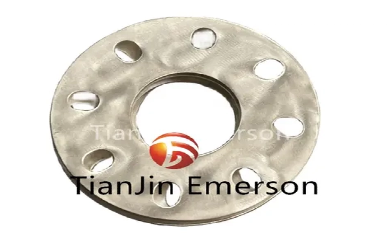
CNC technology significantly enhances the precision of sheet metal fabrication. By using computer-controlled systems, CNC machines can achieve extremely tight tolerances, ensuring that parts are produced with high accuracy and consistency. This precision is particularly important in industries such as aerospace, automotive, and electronics, where the functionality and safety of parts depend on exact specifications.
CNC machines speed up production by automating tasks that would traditionally require manual labor, such as cutting, bending, and welding. This reduction in manual intervention helps lower cycle times and allows manufacturers to produce parts more quickly. With faster turnaround times, companies can meet tighter deadlines, improve output, and respond more efficiently to customer demands.
One of the key advantages of CNC technology is its ability to adapt to custom designs and handle complex geometries. Whether it’s creating intricate parts with detailed features or making real-time adjustments to designs, CNC machines offer flexibility that traditional methods can’t match. Manufacturers can easily modify designs without the need for new tooling, making it easier to produce custom parts for specialized applications.
CNC technology reduces human error by automating the production process. With machines following precise programming instructions, the likelihood of mistakes is minimized, ensuring a consistent level of quality throughout production. This not only improves the overall quality of parts but also reduces waste, rework, and downtime caused by errors in manual processes.
CNC machines automate repetitive tasks such as cutting, bending, and drilling, eliminating the need for manual labor. By integrating with CAD/CAM software, CNC technology streamlines the design and manufacturing process, allowing designs to be converted directly into machine instructions. This automation reduces the potential for human error, accelerates production, and allows manufacturers to focus on more complex or value-added tasks.
CNC machines are highly efficient in material usage. With precise cutting and shaping capabilities, CNC technology minimizes scrap and waste during the manufacturing process. By using software to optimize the layout and nesting of parts, manufacturers can maximize material utilization, reduce costs, and lower the environmental impact of production. This efficiency makes CNC technology an attractive option for businesses looking to improve profitability while reducing waste.
CNC technology allows for real-time monitoring of the production process. Sensors and machine controls can detect any deviations from the set parameters, enabling immediate adjustments to optimize production. This continuous monitoring ensures that the manufacturing process runs smoothly, reduces downtime, and improves overall machine uptime, resulting in higher efficiency and more consistent product quality.
CNC technology requires a significant upfront investment in machines and software, which can be a barrier for smaller businesses. Additionally, skilled operators are necessary to set up, program, and maintain these machines, leading to higher labor costs and the need for continuous training.
CNC programming can be complex and time-consuming. Creating accurate programs requires expertise, and integrating CAD/CAM software with CNC machines often involves compatibility challenges. This adds complexity to the operation and requires specialized knowledge to ensure smooth workflow.
CNC machines need regular maintenance and calibration to maintain precision and performance. Over time, parts wear out, leading to downtime, and even minor misalignments can impact part quality. Skilled technicians are required to perform these tasks, adding to the cost of ownership.
CNC machines use computer-controlled processes to achieve highly accurate cuts, bends, and shapes, ensuring tight tolerances and consistent results in every part.
CAD (Computer-Aided Design) and CAM (Computer-Aided Manufacturing) software enable seamless integration with CNC machines, allowing for precise design input, automated machining, and improved production efficiency.
Industries like aerospace, automotive, electronics, and construction rely heavily on CNC technology for creating complex and precise sheet metal components.
CNC machines automate tasks, streamline workflows, and minimize human errors, reducing the need for manual labor and speeding up production, which leads to cost savings.
CNC technology has fundamentally transformed sheet metal fabrication, playing a pivotal role in improving precision, efficiency, and customization in the manufacturing process. By automating tasks such as cutting, bending, and welding, CNC machines have significantly reduced human error, streamlined workflows, and enabled the production of complex, high-quality parts in shorter timeframes. This transformation allows manufacturers to meet the increasing demands for intricate designs, tight tolerances, and fast production cycles across various industries, including aerospace, automotive, and electronics. Looking ahead, the future of CNC-driven advancements in the industry is bright, with innovations such as AI integration, real-time monitoring, and even greater automation expected to further enhance efficiency, reduce costs, and allow for even more sophisticated and customized metal fabrication solutions. As these technologies continue to evolve, CNC will remain a key enabler of growth, driving the future of manufacturing with increased capabilities, precision, and competitive advantage.
