Introduction
In today's rapidly evolving manufacturing landscape, sheet metal fabrication techniques play a pivotal role in shaping innovative product designs across various industries. From automotive components to aerospace structures, these techniques influence not only the aesthetics but also the functionality and durability of products. As designers and engineers strive to create more efficient and cost-effective solutions, understanding the interplay between fabrication methods and product design becomes increasingly crucial.
Sheet metal fabrication encompasses a wide array of processes that convert flat metal sheets into usable parts and assemblies. The choice of fabrication techniques can significantly impact material properties, production efficiency, and ultimately, the success of a product in the marketplace. Therefore, it's essential to delve deep into how these techniques affect product design, enabling professionals to make informed decisions that optimize performance and manufacturability.
For those looking to enhance their understanding of these processes, exploring various sheet metal fabrication techniques provides valuable insights into material selection, design optimization, and production planning. This exploration is essential for creating designs that are not only innovative but also practical and cost-effective to manufacture.
Fundamentals of Sheet Metal Fabrication
Sheet metal fabrication is a methodical process that involves transforming flat sheets of metal into functional parts through cutting, bending, forming, and assembling. Understanding the fundamentals is essential for designers to create products that are both efficient and manufacturable. This section delves into the basic principles that govern the fabrication processes and how they influence design decisions.
Material Selection and Properties
The choice of material is a critical factor in sheet metal fabrication. Common materials include steel, aluminum, copper, and brass, each possessing unique properties that affect formability, strength, and corrosion resistance. Steel, for instance, offers high strength and durability, making it suitable for structural applications. Aluminum, being lightweight and corrosion-resistant, is ideal for industries like aerospace and automotive where weight reduction is essential.
Material properties such as ductility, tensile strength, and hardness influence how the metal responds to various fabrication techniques. Designers must consider these properties to ensure the material can withstand the required forming processes without failure. For example, high-strength materials may require specialized equipment or techniques to prevent cracking during bending or forming.
Key Fabrication Processes
Several core processes define sheet metal fabrication, each impacting product design differently. Cutting methods like laser cutting and shearing determine the precision and edge quality of parts. Bending techniques influence the achievable geometries and tolerances. Forming processes, including stamping and deep drawing, allow for complex shapes but may introduce stress and deformation into the material.
Joining methods such as welding, riveting, and brazing are also integral to fabrication. The selection of a joining technique affects the assembly's strength, appearance, and the potential for disassembly or maintenance. Designers must integrate these considerations early in the design process to align with fabrication capabilities and material behavior.
Importance of Tolerances and Specifications
Tolerances specify the allowable variation in a part's dimensions, directly affecting the fit and function of the final product. Tight tolerances may ensure better performance but can increase manufacturing complexity and cost. Understanding the balance between necessary precision and practical manufacturability is vital.
Communication between designers and fabricators regarding tolerances is crucial. By specifying realistic tolerances based on the chosen fabrication techniques, designers can prevent unnecessary production difficulties and expenses. This collaboration helps in achieving a product that meets quality standards without overcomplicating the manufacturing process.
Impact of Fabrication Techniques on Design
The selection of fabrication techniques profoundly influences product design. Each method offers unique advantages and limitations that can dictate the feasibility of certain design features. By understanding these impacts, designers can tailor their creations to leverage the strengths of each technique, resulting in optimized products.
Cutting Techniques and Precision
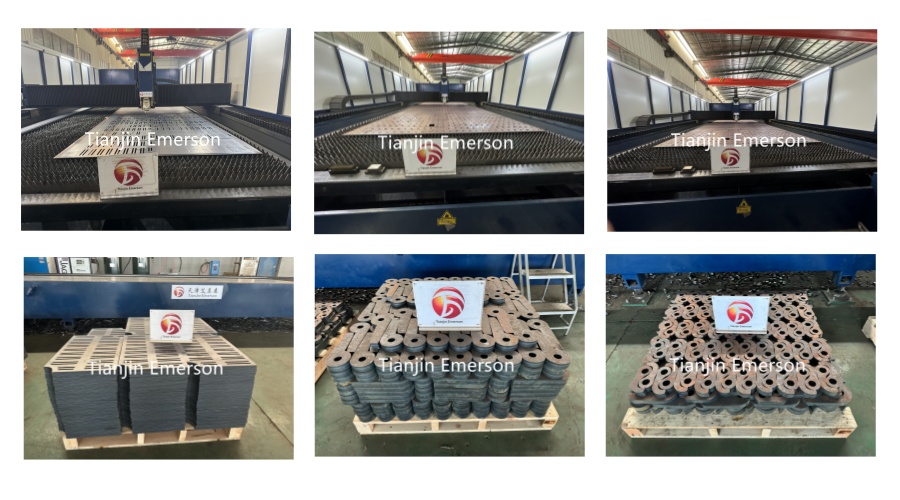
Cutting is the initial step in shaping sheet metal, and the chosen method affects the accuracy and quality of the cuts. Techniques like laser cutting offer high precision and the ability to create intricate patterns with minimal material waste. This precision enables designers to incorporate complex geometries and tight-fitting components into their products.
On the other hand, mechanical cutting methods such as shearing and punching are more cost-effective for simpler shapes but may introduce limitations in terms of accuracy and edge quality. Designers must decide whether the increased precision of advanced cutting methods justifies the potential additional costs based on the product's requirements.
Forming Processes and Part Geometry
Forming processes like bending, stamping, and deep drawing shape the metal into the desired configurations. The capabilities and constraints of these techniques directly impact possible design geometries. For instance, sharp bends may not be feasible without risking material failure, while gradual curves can be achieved more reliably.
Understanding the minimum bend radius, material spring-back, and the effect of grain direction helps designers predict how the metal will behave during forming. By aligning design elements with the natural tendencies of the material, designers can prevent defects and ensure structural integrity.
Joining Methods and Structural Integrity
Joining techniques are essential for assembling multiple components into a cohesive product. Welding provides strong, permanent joints but may cause thermal distortion or require additional finishing. Mechanical fastening, such as riveting or screwing, allows for disassembly but may not offer the same strength as welding.
Designers must consider how these methods affect the product's performance and maintenance. For instance, products requiring frequent disassembly for servicing might favor mechanical fasteners. Additionally, the accessibility of joints during assembly influences design choices, ensuring that the product can be efficiently and effectively manufactured.
Optimizing Design for Fabrication Efficiency
Efficiency in fabrication not only reduces costs but also enhances product quality and time-to-market. By optimizing designs with fabrication processes in mind, designers can streamline production, minimize waste, and improve overall project outcomes.
Design for Manufacturability (DFM)
DFM principles involve designing products in such a way that eases the manufacturing process. This includes simplifying part geometries, reducing the number of components, and standardizing features where possible. By aligning the design with the capabilities of fabrication equipment and processes, production becomes more efficient and less prone to errors.
For example, utilizing uniform bend angles and radii can reduce tooling changes and setup times. Choosing standard material thicknesses available from suppliers can eliminate delays and reduce costs. Engaging with fabricators during the design phase helps in identifying potential challenges and solutions early on.
Material Utilization and Waste Reduction
Efficient use of materials is both economically and environmentally beneficial. Nesting parts closely on the metal sheet during cutting minimizes scrap. Designers can create layouts that maximize the number of parts produced from a single sheet, reducing material costs and waste.
Incorporating features like shared edges between parts during cutting processes can further enhance material utilization. Additionally, selecting processes that produce less waste, such as laser cutting over mechanical methods, contributes to a more sustainable fabrication approach.
Standardization and Modularity
Standardizing components and designs across product lines can significantly improve fabrication efficiency. Using common parts reduces the variety of tools and materials required, simplifying inventory management and production planning.
Modular design allows for easy assembly and scalability. By designing parts that can be combined in various configurations, products become more versatile, and production can be adapted to different models without extensive retooling. This approach enhances flexibility and responsiveness to market demands.
Advanced Fabrication Techniques and Technologies
Emerging technologies in sheet metal fabrication are expanding the possibilities for product design. Advanced methods like additive manufacturing, laser welding, and computer numerical control (CNC) machining offer new avenues for innovation, allowing designers to push the boundaries of what is achievable.
Additive Manufacturing in Metal Fabrication
Additive manufacturing, or 3D printing with metals, enables the creation of complex geometries that are difficult or impossible to achieve with traditional fabrication methods. This technology allows for internal structures, intricate lattice designs, and consolidation of multiple components into a single part.
While currently more costly for large-scale production, additive manufacturing is valuable for prototyping and custom parts. It provides designers with greater freedom to experiment with innovative shapes and features, accelerating the development process and reducing time to market.
Laser Welding and Precision Joining
Laser welding offers high-speed, precision joining with minimal thermal distortion. This technique is ideal for applications requiring clean aesthetics and strong, airtight seals. It enables the joining of thin materials and dissimilar metals, expanding design possibilities.
Incorporating laser welding into the design process allows for sleeker products with reduced visible seams. Designers can create more intricate assemblies, knowing that the joining process will maintain the integrity and appearance of the product.
CNC Machining and Automation
CNC machining brings high precision and repeatability to sheet metal fabrication. Automated machinery can perform complex cuts, drilling, and tapping operations with consistent quality. This technology reduces human error and increases production speed.
Designers leveraging CNC capabilities can include detailed features and tight tolerances in their products. The ability to simulate machining operations during the design phase helps in identifying potential issues and optimizing the design for automated fabrication.
Case Studies: Design Influenced by Fabrication Techniques
Examining real-world examples where fabrication techniques have directly influenced product design provides valuable insights. These case studies highlight the importance of aligning design approaches with manufacturing capabilities to achieve successful outcomes.
Automotive Industry Innovations
In the automotive sector, the shift towards lightweight materials has led to the increased use of aluminum and high-strength steels in body panels and structural components. Advanced stamping and hydroforming techniques allow for complex shapes that reduce weight without compromising strength.
Designers have adapted by creating designs that take advantage of these materials and processes. For example, the use of tailored blanks—welded sheets of different thicknesses—enables optimal material distribution, enhancing performance while minimizing weight and cost.
Consumer Electronics Enclosures
The sleek designs of modern consumer electronics often result from precision sheet metal fabrication techniques. Processes like precision bending and laser cutting enable the creation of thin, intricate enclosures with high aesthetic appeal.
Designers in this field must balance form and function while considering the limitations of fabrication methods. By collaborating closely with fabricators, they can achieve designs that are both visually striking and manufacturable at scale.
Aerospace Structural Components
The aerospace industry demands components that meet strict weight and strength requirements. Techniques like stretch forming and brake forming allow for the creation of large, curved panels essential for aircraft structures.
Designers must understand the nuances of these fabrication methods to ensure that parts meet performance criteria while being producible. Material selection and precise control of forming processes are critical to achieving the necessary tolerances and mechanical properties.
Challenges and Solutions in Sheet Metal Design
Despite the advancements in fabrication technologies, designers face challenges that require careful consideration and problem-solving. Addressing issues such as material limitations, production costs, and fabrication constraints is essential for successful product development.
Managing Material Limitations
Each material presents unique challenges, such as susceptibility to cracking during forming or difficulties in joining. Designers must work within these limitations, possibly selecting alternative materials or adjusting designs to accommodate the material's properties.
For instance, when dealing with materials prone to work-hardening, intermediate annealing processes can be incorporated. Alternatively, adjusting bend radii and forming methods can mitigate the risk of material failure.
Balancing Cost and Quality
High-quality materials and advanced fabrication techniques often come at increased costs. Designers must balance the desire for premium features with budget constraints. This may involve prioritizing critical aspects of the design while simplifying or standardizing others to reduce expenses.
Cost-benefit analyses help in making informed decisions. Understanding the cost drivers in fabrication, such as tool changes, material waste, and processing times, enables designers to optimize their designs for cost efficiency without sacrificing essential qualities.
Navigating Fabrication Constraints
Fabrication equipment has physical limitations, including maximum part sizes, achievable tolerances, and accessible geometries. Designers must be aware of these constraints to prevent designs that are impractical or impossible to produce.
Collaboration with fabrication experts is key to navigating these challenges. Early engagement allows for adjustments in the design phase, ensuring that the final product can be manufactured effectively. This proactive approach avoids costly redesigns and delays in production.
Conclusion
The intricate relationship between sheet metal fabrication techniques and product design is a critical factor in modern manufacturing. By comprehensively understanding the impact of various fabrication methods, designers and engineers can create products that are not only innovative but also practical and economically viable to produce. The integration of advanced technologies and thoughtful design practices paves the way for efficient production, superior product performance, and greater market competitiveness.
In essence, the collaboration between design and fabrication is a dynamic interplay that requires continuous learning and adaptation. Embracing this synergy allows for the creation of products that meet the evolving demands of industries and consumers alike. For professionals seeking to excel in this field, a deep dive into the world of sheet metal fabrication techniques is not just beneficial—it's essential.
FAQs
1. How do material properties influence sheet metal design?
Material properties such as ductility, tensile strength, and hardness determine how the metal reacts during fabrication processes. Understanding these properties helps designers select appropriate materials that can withstand cutting, forming, and joining without failure, ensuring the final product meets performance requirements.
2. What is the significance of the bend radius in sheet metal fabrication?
The bend radius is crucial because it affects the material's ability to bend without cracking. A proper bend radius ensures that the metal can be formed as intended while maintaining structural integrity. Designers must consider material thickness and properties to determine the minimum feasible bend radius.
3. How does laser cutting benefit complex designs?
Laser cutting offers high precision and the ability to create intricate shapes with clean edges. It allows for tight tolerances and minimal material waste, making it ideal for complex designs. This technique enables designers to incorporate detailed features that might be challenging with traditional cutting methods.
4. Why is collaboration with fabricators important during the design phase?
Collaborating with fabricators early in the design process helps identify potential manufacturing challenges and solutions. This partnership ensures that designs are aligned with fabrication capabilities, preventing costly revisions and ensuring a smoother production process.
5. What are the advantages of using additive manufacturing in metal fabrication?
Additive manufacturing allows for the creation of complex geometries and internal structures that are difficult with traditional methods. It enables rapid prototyping and customization, reducing development time. While currently more suitable for small-scale production, it offers significant potential for innovation in design.
6. How does design for manufacturability (DFM) improve fabrication efficiency?
DFM focuses on designing products that are easy to manufacture. By simplifying geometries, standardizing components, and considering fabrication constraints, designers can reduce production complexity, minimize errors, and lower costs, leading to more efficient manufacturing processes.
7. What challenges might arise when joining dissimilar metals?
Joining dissimilar metals can present challenges due to differences in melting points, thermal expansion, and galvanic corrosion potential. Specialized techniques like laser welding or the use of intermediary materials might be necessary. Designers must account for these factors to ensure joint integrity and longevity.


