Introduction
The landscape of manufacturing has witnessed significant transformations, with sheet metal fabrication standing at the forefront of innovation. As industries evolve, the demand for intricate, precise, and efficient metal products has spurred the development of advanced sheet metal fabrication techniques. These cutting-edge methods are reshaping the industry, offering unprecedented capabilities that meet the complex needs of modern applications.
This comprehensive exploration delves into the innovative techniques revolutionizing sheet metal fabrication. From the integration of automation and robotics to the application of additive manufacturing, we examine how these advancements enhance precision, reduce waste, and accelerate production timelines. Understanding these techniques is essential for professionals seeking to leverage the latest technologies in their manufacturing processes.
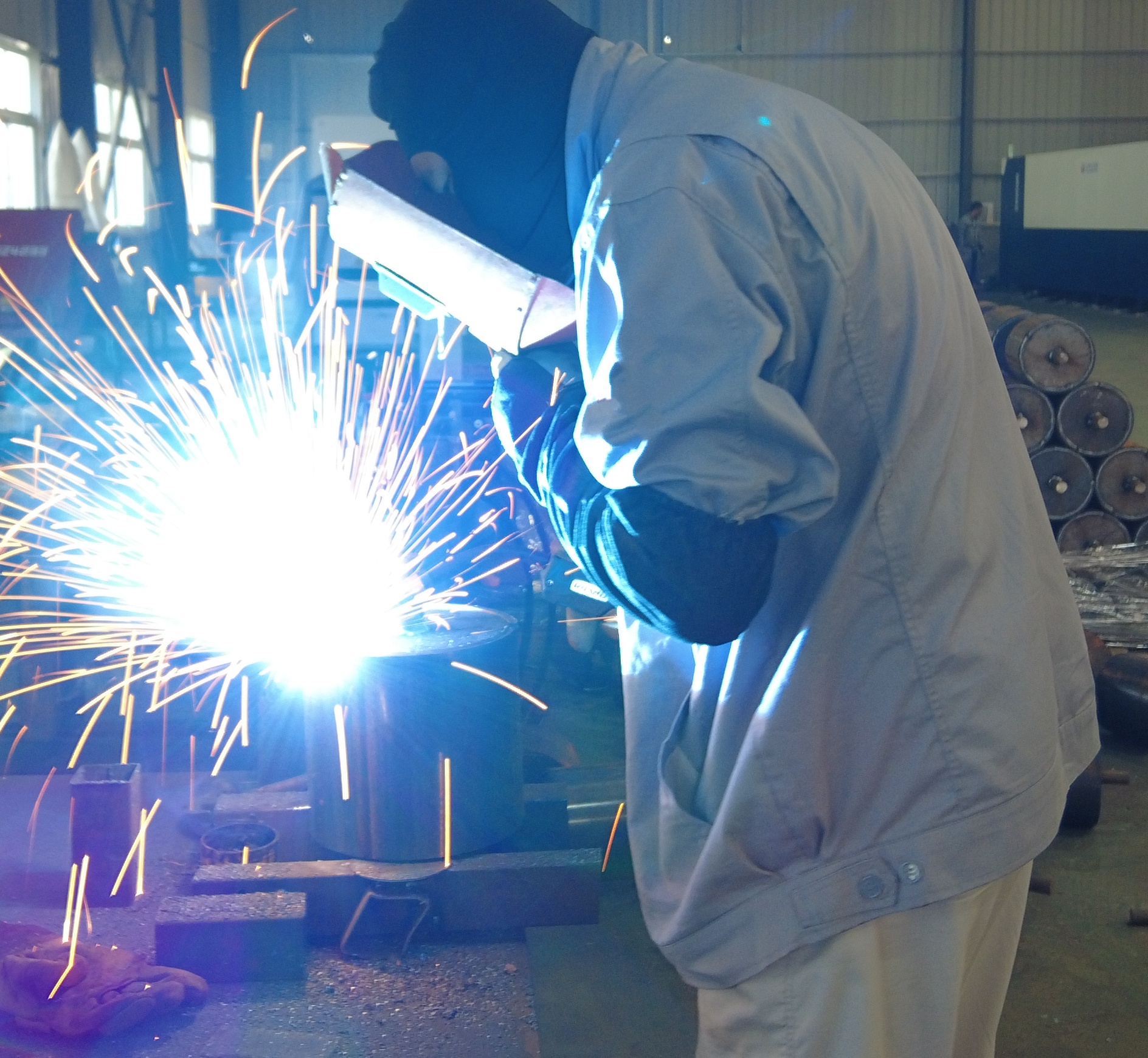
The Evolution of Sheet Metal Fabrication
Sheet metal fabrication has come a long way from traditional hand-operated tools to sophisticated computerized systems. The evolution reflects a continuous pursuit of efficiency, accuracy, and versatility. Early methods relied heavily on manual labor, which often resulted in inconsistencies and limited design capabilities. However, technological advancements have introduced innovative techniques that address these limitations.
Today, the integration of computer-aided design (CAD) and computer-aided manufacturing (CAM) systems allows for precise modeling and fabrication. These tools enable engineers to create complex geometries with minimal errors. Additionally, the adoption of Lean Manufacturing principles has streamlined operations, reducing waste and optimizing workflow.
Historical Context
Understanding the historical progression of sheet metal fabrication techniques provides valuable insights into current innovations. In the early 20th century, fabrication processes were limited to basic cutting, bending, and assembling. With the advent of industrialization, mechanized tools were introduced, enhancing productivity but still lacking precision.
The latter part of the century saw the emergence of numerical control (NC) machines, which were precursors to today's CNC (computer numerical control) systems. These machines significantly improved accuracy and repeatability, setting the stage for the sophisticated technologies employed in modern fabrication shops.
Advanced CNC Machining in Sheet Metal Fabrication
CNC machining has revolutionized sheet metal fabrication by automating complex processes with high precision. The integration of CNC technology allows for intricate designs and tight tolerances that were previously unattainable with manual methods. This section explores how advanced CNC machining contributes to the industry's growth.
Precision and Repeatability
One of the primary advantages of CNC machining is its ability to produce identical parts consistently. The computer-controlled movements ensure that each piece meets exact specifications, reducing variability and enhancing product quality. This repeatability is crucial in industries where uniformity is essential, such as aerospace and automotive manufacturing.
Complex Geometries and Customization
Advanced CNC machines can handle complex geometries that are difficult or impossible to achieve manually. Multi-axis milling and turning capabilities allow for the fabrication of intricate components with minimal human intervention. This flexibility enables manufacturers to customize products to specific client needs, fostering innovation and expanding market opportunities.
Laser Cutting Technology
Laser cutting is a pivotal technique in modern sheet metal fabrication, offering unparalleled precision and speed. By focusing a high-powered laser beam onto the metal, it melts or vaporizes the material, resulting in clean cuts with minimal waste. This section examines the technological advancements in laser cutting and their impact on the industry.
High Precision and Efficiency
Laser cutting machines provide exceptional accuracy, often within micrometers. The technology allows for intricate designs and tight tolerances, which are essential in industries like medical device manufacturing. Additionally, laser cutting significantly reduces production times by cutting at high speeds without compromising quality.
Versatility in Materials and Thicknesses
Modern laser cutters are capable of handling a variety of materials, including steel, aluminum, brass, and titanium. They can efficiently cut different thicknesses, making them suitable for diverse applications. The ability to switch between materials without extensive reconfiguration enhances productivity and flexibility in manufacturing processes.
Robotics and Automation in Fabrication
The incorporation of robotics and automation has transformed sheet metal fabrication, reducing manual labor and increasing efficiency. Automated systems perform repetitive tasks with precision, minimizing errors and improving safety. This section explores how robotics are reshaping the fabrication landscape.
Automated Welding Systems
Robotic welding systems offer consistent quality by maintaining precise control over welding parameters. They can operate continuously without fatigue, increasing throughput and reducing production costs. Automated welding also enhances safety by keeping human workers away from hazardous fumes and intense heat.
Material Handling and Assembly
Automation extends beyond welding to include material handling and assembly. Robotic arms equipped with sensors can move heavy metal sheets, position them accurately, and assemble components without human intervention. This level of automation reduces the risk of injuries and enhances overall operational efficiency.
Additive Manufacturing in Sheet Metal Fabrication
Additive manufacturing, commonly known as 3D printing, is making inroads into sheet metal fabrication. While traditionally associated with plastics, advancements have enabled the use of metal powders to create complex structures layer by layer. This section examines the implications of additive manufacturing for the industry.
Design Freedom and Complexity
Additive manufacturing allows for unprecedented design freedom. Complex geometries that are challenging or impossible with subtractive methods can be realized with relative ease. This capability opens new avenues for innovation, enabling engineers to optimize designs for performance and weight reduction without traditional manufacturing constraints.
Rapid Prototyping and Production
The ability to produce prototypes quickly accelerates the development cycle. Additive manufacturing eliminates the need for tooling, reducing lead times and costs associated with traditional fabrication methods. For low-volume or custom parts, additive manufacturing offers a cost-effective solution that aligns with Just-In-Time production philosophies.
Advanced Materials and Alloys
The development of advanced materials and alloys is integral to the evolution of sheet metal fabrication. New materials with enhanced properties enable the creation of components that meet specific performance criteria. This section explores how material innovations are influencing fabrication techniques and applications.
High-Strength, Lightweight Materials
The demand for stronger yet lighter components has led to the development of advanced alloys such as high-strength steel and aluminum-lithium alloys. These materials offer exceptional strength-to-weight ratios, making them ideal for aerospace and automotive applications where weight reduction contributes to fuel efficiency and performance.
Corrosion-Resistant and High-Temperature Alloys
Industries operating in harsh environments benefit from materials that resist corrosion and withstand high temperatures. Nickel-based superalloys and titanium alloys are increasingly used in chemical processing, power generation, and aerospace sectors. Fabrication techniques have adapted to accommodate these materials, ensuring integrity and longevity of the components.
Innovations in Forming and Bending Techniques
Forming and bending are fundamental processes in sheet metal fabrication. Innovations in these areas have expanded the possibilities for shaping metal without compromising structural integrity. This section discusses the latest techniques enhancing efficiency and precision in forming and bending operations.
Incremental Sheet Forming
Incremental sheet forming (ISF) is a process that shapes metal sheets through localized deformation. Unlike traditional methods that require dedicated tooling, ISF uses a simple tool to progressively form the desired shape. This flexibility reduces tooling costs and is ideal for prototyping and small-batch production.
Hydroforming Techniques
Hydroforming employs high-pressure fluids to shape metal sheets into complex forms. This technique allows for the creation of lightweight, structurally strong components with minimal seams and joints. Automotive manufacturers utilize hydroforming to produce intricate parts like engine cradles and suspension components.
Integration of Industry 4.0 in Fabrication
Industry 4.0 represents the convergence of digital technologies, automation, and data exchange in manufacturing. The integration of these principles in sheet metal fabrication leads to smarter, more efficient operations. This section explores how connectivity and data analytics enhance fabrication processes.
Smart Manufacturing Systems
Smart manufacturing leverages sensors, IoT devices, and real-time data to monitor and control fabrication processes. Machines communicate with each other and with centralized control systems, enabling predictive maintenance, optimized production schedules, and efficient resource utilization.
Digital Twins and Simulation
Digital twins are virtual representations of physical assets, allowing for simulation and analysis without physical prototypes. In sheet metal fabrication, digital twins enable engineers to model processes, predict outcomes, and identify potential issues before they occur on the shop floor. This proactive approach reduces downtime and enhances quality control.
Sustainability and Environmental Considerations
Modern fabrication techniques are increasingly focused on sustainability. Reducing waste, minimizing energy consumption, and utilizing recyclable materials are essential goals. This section discusses how innovative techniques contribute to environmentally responsible manufacturing.
Material Optimization and Waste Reduction
Advanced software algorithms optimize material usage by nesting parts efficiently on metal sheets. Techniques like laser cutting produce minimal kerf, reducing scrap. Recycling programs for metal waste further contribute to sustainability by reintroducing materials into the production cycle.
Energy-Efficient Processes
Innovations in machinery and processes aim to reduce energy consumption. For example, modern laser cutters use fiber lasers that are more energy-efficient than traditional CO2 lasers. Implementing energy management systems and utilizing renewable energy sources contributes to a smaller environmental footprint.
Quality Control and Testing Innovations
Ensuring the quality of fabricated components is paramount. Advances in inspection and testing technologies enhance the ability to detect defects and verify dimensions. This section explores the latest tools and methods in quality control within sheet metal fabrication.
Non-Destructive Testing (NDT)
NDT methods such as ultrasonic testing, radiography, and eddy current testing allow for the inspection of components without causing damage. These techniques help identify internal flaws, ensuring the reliability of critical parts. Automation of NDT processes enhances consistency and reduces inspection times.
Laser Scanning and Metrology
Laser scanning technologies create detailed 3D models of fabricated parts, enabling precise measurement and comparison against design specifications. Metrology software analyzes these models to detect deviations, providing immediate feedback for corrective actions. This capability enhances quality assurance and reduces rework costs.
The Role of Skilled Workforce in Modern Fabrication
Despite automation, the role of a skilled workforce remains critical in sheet metal fabrication. Technicians and engineers are essential for programming machines, maintaining equipment, and innovating processes. This section highlights the importance of human expertise in conjunction with technological advancements.
Training and Development
Continuous training ensures that the workforce stays abreast of new technologies and methods. Programs that focus on CNC programming, robotics operation, and material science equip employees with the skills necessary to optimize production and drive innovation.
Collaboration Between Humans and Machines
The synergy between human intelligence and machine efficiency is a hallmark of modern fabrication. Operators interpret data, make informed decisions, and adapt to unforeseen challenges. Their expertise complements automated systems, ensuring flexibility and resilience in manufacturing processes.
Conclusion
The innovative sheet metal fabrication techniques explored in this analysis are reshaping the manufacturing landscape. By embracing advancements in technology, materials, and processes, the industry is poised to meet the evolving demands of various sectors. These techniques not only enhance efficiency and precision but also contribute to sustainability and innovation.
Understanding and implementing these developments is essential for manufacturers aiming to stay competitive. The integration of automation, advanced materials, and data-driven practices reflects a dynamic industry responsive to global challenges and opportunities. The future of sheet metal fabrication lies in the continuous pursuit of excellence through innovation.
FAQs
What are the main advantages of using CNC machining in sheet metal fabrication?
CNC machining offers high precision and repeatability, allowing for the production of complex geometries with tight tolerances. It reduces human error and increases efficiency by automating fabrication processes, which enhances product quality and consistency.
How does laser cutting improve efficiency in fabrication?
Laser cutting provides clean, precise cuts at high speeds, reducing production times. Its ability to handle various materials and thicknesses without extensive setup enables quick transitions between jobs, enhancing overall productivity in fabrication operations.
What role does additive manufacturing play in sheet metal fabrication?
Additive manufacturing allows for the creation of complex, custom components without the need for tooling. It facilitates rapid prototyping and production, particularly for low-volume or specialized parts, offering a cost-effective alternative to traditional fabrication methods.
Why are advanced materials important in modern fabrication techniques?
Advanced materials, such as high-strength alloys and corrosion-resistant metals, enable the production of components that meet specific performance requirements. They contribute to weight reduction, enhanced durability, and suitability for demanding environments, expanding the applications of fabricated products.
How does automation impact safety in sheet metal fabrication?
Automation reduces the need for manual handling of heavy materials and exposure to hazardous processes, decreasing the risk of workplace injuries. Automated systems perform dangerous tasks, allowing human workers to focus on supervision and control roles in safer environments.
What is the significance of Industry 4.0 in fabrication?
Industry 4.0 introduces digitalization, connectivity, and data analytics to fabrication processes. It enhances efficiency through real-time monitoring, predictive maintenance, and optimized resource management, leading to smarter and more responsive manufacturing operations.
How do modern fabrication techniques contribute to sustainability?
Innovations like material optimization, waste reduction, and energy-efficient processes minimize the environmental impact of fabrication. Using recyclable materials and implementing sustainable practices align manufacturing with global efforts to reduce carbon footprints and promote environmental responsibility.


