Choosing the right sheet metal fabrication company can make or break your project. The quality of your metal parts impacts your entire business. A poor choice can lead to delays, cost overruns, and reputational damage.
In this article, we’ll explore the key factors you need to consider when selecting a fabrication partner. We’ll cover industry experience, technology, quality assurance, and much more. By the end, you'll know how to make the best decision for your business’s success.
Key Takeaways
Industry Experience Matters: Choose a fabricator with a proven track record in your specific industry to ensure they understand your needs and regulatory requirements.
Technology and Equipment: Advanced equipment like CNC machines and laser cutters can ensure precision, efficiency, and cost savings, especially for large-scale or complex projects.
Quality Assurance and Certifications: Look for a fabricator that holds relevant industry certifications (e.g., ISO, ASME) and has strong quality control processes in place to ensure consistent, high-quality results.
Communication and Flexibility: A reliable fabricator should offer clear communication and flexibility to adapt to changes, ensuring your project runs smoothly and meets deadlines.
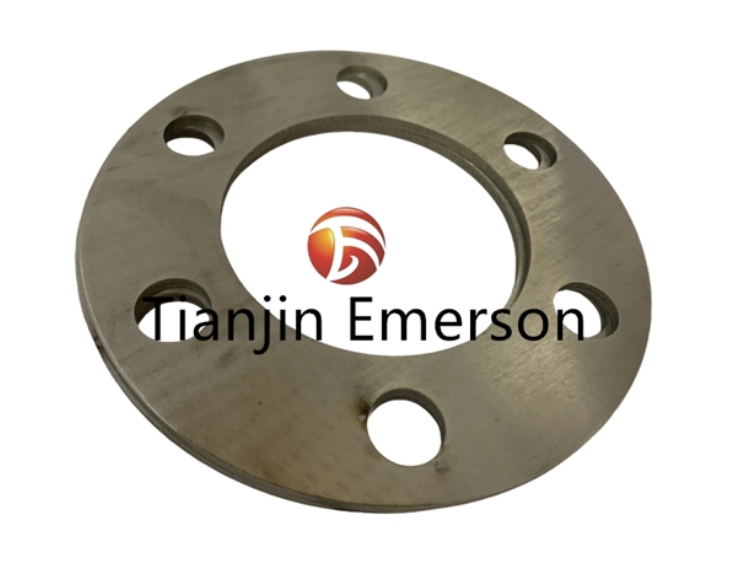
Why Choosing the Right Sheet Metal Fabrication Company is Crucial
The Role of Fabrication in Your Business Success
Sheet metal fabrication is central to many industries, including automotive, HVAC, aerospace, and construction. The process involves transforming raw metal sheets into various products through cutting, bending, welding, and assembly. High-quality fabrication ensures your components meet precise specifications, enhancing the overall performance and reliability of your final product.
For instance, a construction company that partners with a reliable fabricator ensures that structural components like steel beams or HVAC ducts are produced with the highest standards. The result? Faster installation times, fewer on-site issues, and enhanced safety.
The Risks of Choosing the Wrong Partner
Selecting the wrong sheet metal fabrication company can have disastrous consequences. Poor craftsmanship can lead to defects in your product, which may not only affect the function but also your brand's reputation. Additionally, delays in production or shipping can disrupt project timelines, resulting in additional costs and missed deadlines.
For example, if a fabricator fails to meet the required quality standards for a part, the product might not fit properly, requiring rework and causing significant delays. These issues can damage relationships with clients and impact your company’s bottom line.
Key Factors to Consider When Choosing a Sheet Metal Fabrication Company
Industry Experience and Expertise
A key consideration when choosing a sheet metal fabrication company is its experience in your specific industry. Different industries have unique requirements for materials, designs, and standards. A fabricator with experience in your sector will be better equipped to understand these needs and produce parts that meet those specifications.
Questions to ask:
Have they worked on projects similar to yours?
Do they understand the specific needs of your industry?
Are they familiar with the regulations and certifications required for your sector?
Tip: Look for a fabricator with a proven track record in your industry. This ensures they are familiar with common challenges and can provide tailored solutions.
Equipment and Technology
Modern technology plays a vital role in the accuracy and efficiency of sheet metal fabrication. A top-tier fabricator invests in advanced equipment such as CNC machines, laser cutters, and robotic welders. These tools provide precision and speed, reducing production time and minimizing human error.
Automation in fabrication helps improve consistency and reduces costs in large-scale production runs. A fabricator with the latest machinery will be able to handle more complex designs and provide faster turnaround times.
Questions to ask:
What types of equipment do they use?
Are they equipped to handle the complexity of your project?
Do they embrace technological innovations to improve production?
Choose a company that is not only equipped with state-of-the-art technology but also willing to invest in new tools if necessary to meet your project’s requirements.
Certifications and Compliance
Certifications are a sign that a sheet metal fabrication company adheres to industry standards and regulations. Certifications like ISO 9001, ASME, or AWS are essential for ensuring quality control and compliance with industry requirements. These certifications assure you that the fabricator is capable of meeting the technical specifications and safety standards required for your project.
Questions to ask:
Workforce Skills and Expertise
A skilled workforce is essential for the success of any sheet metal fabrication project. A fabricator’s employees should have a deep understanding of fabrication processes and be trained in using advanced equipment. Ongoing training is also crucial for keeping up with new technologies and techniques.
Look for a fabricator that invests in its workforce, ensuring that they have the skills to handle complex projects. This expertise directly impacts the quality of the final product and the success of the project.
Questions to ask:
Partner with a company that values employee expertise and invests in continuous training. Skilled workers are the key to high-quality fabrication.
Key Factors to Evaluate in a Fabricator
| Factor | Questions to Ask | Importance |
| Industry Experience | Have they worked on projects like yours? | Ensures they understand your sector and requirements. |
| Equipment and Technology | What types of equipment do they use? | High-tech tools ensure precision and faster delivery. |
| Certifications | Do they have relevant certifications? | Guarantees compliance with industry standards. |
| Workforce Expertise | How skilled are the workers handling your project? | Skilled staff lead to high-quality and timely results. |
Availability and Communication: Building Strong Partnerships
Flexibility in Service Availability
The sheet metal fabrication process often involves changing timelines or unexpected challenges. A flexible fabricator can adapt to these changes without compromising quality or deadlines. Flexibility also includes the ability to handle rush orders or make last-minute adjustments to designs.
For example, a fabricator that can quickly scale up production when needed or offer alternative solutions during delays can save your business from significant disruptions.
Questions to ask:
Flexibility is crucial, especially for custom or large-scale projects. Choose a fabricator that can adjust to your needs, no matter how demanding they are.
Effective Communication Throughout the Process
Clear and open communication is vital for ensuring that your project is progressing as planned. A good fabrication company will keep you updated at every stage of the process, providing feedback, answering questions, and offering solutions to any challenges that arise.
Transparent communication builds trust and helps resolve issues quickly, ensuring that the project stays on track and within budget.
Questions to ask:
Choose a fabricator that prioritizes regular updates and is easy to reach when you need assistance. This keeps you informed and confident throughout the project.
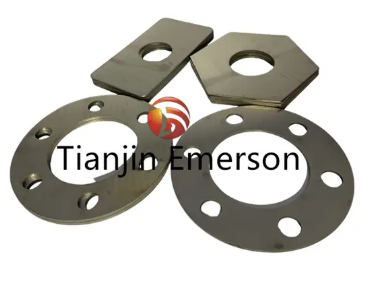
Quality Assurance and Consistency
The Role of Quality Control in Metal Fabrication
Quality control is a crucial part of sheet metal fabrication. A reliable fabricator will implement strict quality assurance processes to ensure that each part meets the required specifications. This includes conducting inspections and tests at various stages of production to catch any potential issues early.
Quality control also ensures that parts are produced with the correct tolerances and that they function as intended in the final product.
Questions to ask:
A strong quality control process minimizes defects and ensures consistent results. Ensure your fabricator has a clear, established quality assurance procedure.
Managing Quality Through Certifications and Processes
Certifications are not just for compliance; they also serve as a guarantee of consistent quality. A fabricator with industry certifications demonstrates their commitment to maintaining high standards and following best practices.
In addition to certifications, it’s essential to evaluate the fabricator’s internal quality processes. This includes how they handle testing, track defects, and ensure that corrections are made promptly.
Common Certifications for Sheet Metal Fabricators
| Certification | Description |
| ISO 9001 | Ensures quality management systems. |
| ASME | Certification for the manufacturing of pressure vessels. |
| AWS | Certifies welders and welding procedures. |
Questions to ask:
Look for a fabricator who combines industry certifications with solid internal quality processes to ensure the highest standards.
Cost and Value Considerations
Balancing Cost and Quality
Price is always a consideration, but it should not be the sole factor in your decision. While low-cost options may seem attractive, they often come at the expense of quality. On the other hand, high prices don’t always equate to superior quality.
Focus on the value the fabricator offers. A high-quality fabricator may charge a bit more, but the long-term benefits—such as fewer defects, faster delivery, and better customer satisfaction—make it a worthwhile investment.
Questions to ask:
Don’t compromise on quality to save on costs. The right fabricator will provide good value through high-quality work, on-time delivery, and reliable customer service.
Understanding the Total Cost of Partnership
The total cost of working with a sheet metal fabrication company includes more than just the price per unit. Consider costs for tooling, material sourcing, delivery, and potential rework. It's essential to get a clear understanding of all costs involved to avoid surprises later in the process.
Questions to ask:
Get a detailed, transparent pricing structure that includes all potential costs to ensure you stay within your budget.
Conclusion
Choosing the right sheet metal fabrication company is essential for the success of your business. Focus on factors like industry experience, equipment, communication, quality assurance, and cost to ensure your project is a success. It’s important to prioritize long-term value and reliability over the cheapest option. The best fabricator is one who provides consistent quality and reliability throughout the process.
For businesses in need of high-quality, reliable sheet metal fabrication, EMERSONMETALstands out with its advanced technology and experienced team. Their commitment to precision ensures that each project meets the highest standards. Whether you require custom solutions or mass production, EMERSONMETAL offers the expertise and capabilities to be a trusted partner for all your fabrication needs.
FAQ
Q: What is a sheet metal fabrication company?
A: A sheet metal fabrication company specializes in transforming metal sheets into custom components through processes like cutting, bending, welding, and assembly.
Q: Why is choosing the right sheet metal fabrication company important?
A: The right sheet metal fabrication company ensures quality, precision, and timely delivery, which is crucial for the success of your project.
Q: How can I assess the experience of a sheet metal fabrication company?
A: Look for companies with relevant industry experience and check their portfolio to ensure they have handled similar projects.
Q: What factors should I consider when selecting a sheet metal fabrication company?
A: Consider their industry expertise, equipment, quality assurance processes, and communication practices to ensure they align with your needs.


