Introduction
Sheet metal fabrication is a cornerstone of modern manufacturing, playing a pivotal role in industries ranging from automotive to aerospace. This process transforms flat sheets of metal into complex parts and structures through various sheet metal fabrication techniques. Understanding these techniques is essential for engineers, manufacturers, and anyone interested in the industrial arts. In this guide, we delve deep into the world of sheet metal fabrication, exploring the processes, materials, and applications that make it an indispensable part of today's technological advancements.
Fundamentals of Sheet Metal Fabrication
At its core, sheet metal fabrication involves manipulating flat pieces of metal to create components used in a myriad of applications. Metals like steel, aluminum, copper, and brass are commonly used due to their malleable yet durable nature. The process encompasses several methods, each tailored to achieve specific shapes and features in the final product.
Cutting Techniques
Cutting is often the first step in fabrication. It reduces large metal sheets into workable sizes. Advanced methods like laser cutting provide precision and efficiency, especially for intricate designs. Laser cutting uses a focused beam of light to melt materials along a set path. It's highly accurate, making it ideal for complex patterns.
Alternatively, waterjet cutting employs a high-pressure stream of water mixed with abrasive particles. It's suitable for materials sensitive to high temperatures since it doesn't generate heat. Plasma cutting, using ionized gas, slices through thicker metals with ease, though with slightly less precision than lasers.
Forming Processes
Forming transforms flat metal sheets into three-dimensional shapes without adding or removing material. Bending is a primary method, performed using machines like press brakes. They apply force to bend metals at desired angles. Rolling is another technique, curving sheets into cylindrical shapes, essential in creating pipes and tubes.
Stamping involves pressing designs into metal, allowing mass production of parts like automotive components. Deep drawing stretches metal into deep, hollow shapes, crucial for products like fuel tanks and kitchen sinks. These processes rely on precise control to maintain material integrity.
Joining Methods
After forming, individual metal parts often need assembly. Welding is the most common method, fusing metals together by melting their interfaces. Techniques like MIG and TIG welding offer different benefits. MIG welding uses a continuous wire feed for quick and efficient welding, suitable for thicker materials. TIG welding provides greater control, ideal for thin or delicate metals.
Riveting joins metals without melting, using metal pins (rivets) to bind sheets together. It's essential in scenarios where welding isn't practical, like joining dissimilar metals. Adhesive bonding offers another solution, using industrial adhesives for a clean finish without altering the metal's properties.
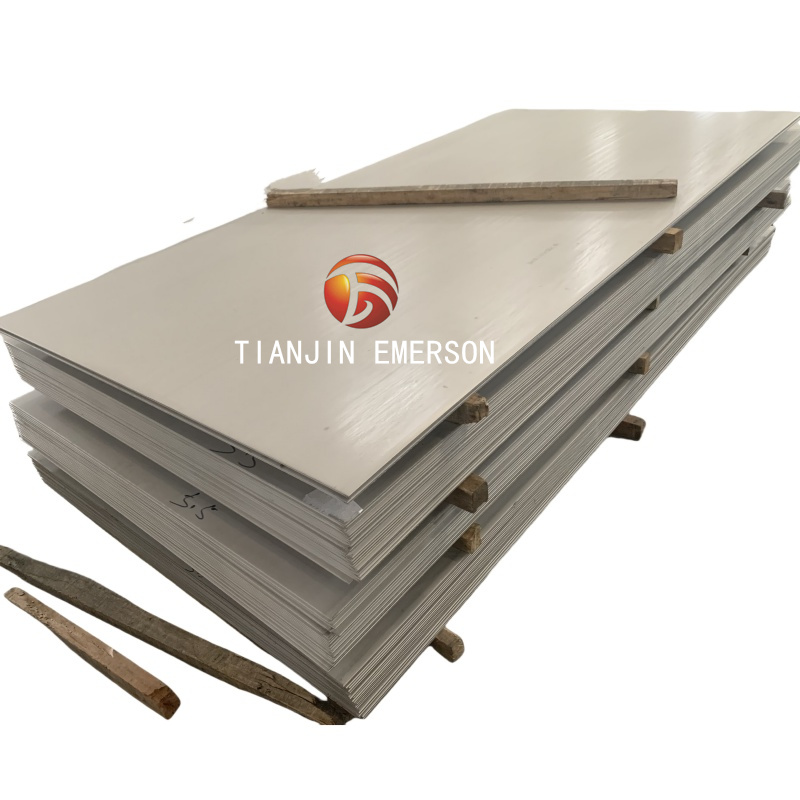
Materials in Sheet Metal Fabrication
The choice of material significantly impacts the fabrication process and the final product's performance. Each metal brings unique characteristics suitable for specific applications.
Steel
Steel, known for its strength and durability, is widely used in construction and automotive industries. It's an alloy of iron and carbon, offering versatility in fabrication. Variants like stainless steel add chromium for corrosion resistance, essential in medical instruments and kitchen appliances.
Aluminum
Aluminum is valued for its light weight and corrosion resistance. It's extensively used in aerospace and transportation, where reducing weight enhances performance. Despite being lightweight, it maintains good strength, making it suitable for structural components.
Copper and Brass
Copper offers excellent electrical conductivity, making it ideal for electrical components and wiring. Brass, an alloy of copper and zinc, combines aesthetic appeal with machinability. It's often used in musical instruments and architectural fixtures due to its acoustic and decorative qualities.
Applications Across Industries
Sheet metal fabrication plays a crucial role in various sectors, contributing to advancements and efficiency.
Automotive Industry
In automotive manufacturing, sheet metal forms the backbone of vehicle bodies and frames. Techniques allow for mass production of panels with consistent quality. The ability to create complex shapes ensures vehicles are not only functional but also aerodynamic and aesthetically pleasing.
Aerospace Sector
The aerospace industry demands precision and reliability. Sheet metal fabrication produces components like fuselage sections and wing assemblies. Using lightweight metals like aluminum helps in improving fuel efficiency. The strict standards in aerospace push the boundaries of fabrication technologies.
Construction and Architecture
Architects utilize sheet metal for roofing, cladding, and decorative elements. Metals offer durability and resistance to weather, ensuring longevity of structures. Custom fabrication allows for innovative designs, giving buildings unique visual identities.
Advancements in Fabrication Techniques
Technological progress continues to refine fabrication methods, enhancing efficiency and precision.
Automation and CNC Machines
Computer Numerical Control (CNC) machines have revolutionized fabrication. They offer precise control over cutting and forming processes, reducing human error. CNC machines can operate continuously, boosting productivity and consistency in part production.
Additive Manufacturing Integration
While traditionally a subtractive process, sheet metal fabrication now integrates additive manufacturing techniques. This hybrid approach allows for complex geometries previously unattainable, expanding design possibilities. It bridges the gap between prototyping and full-scale production.
Challenges in Sheet Metal Fabrication
Despite advancements, the industry faces challenges that require innovative solutions.
Material Limitations
Working with high-strength alloys can be difficult due to hardness and reduced malleability. These materials demand specialized tools and techniques. Overcoming these limitations is essential to meet the demands of modern engineering projects.
Precision Requirements
As products become more complex, the need for precision increases. Maintaining tight tolerances is challenging, especially in mass production. Implementing strict quality control measures ensures that each part meets the necessary specifications.
Environmental Considerations
Sustainability is becoming a key focus in manufacturing. Fabrication processes are adapting to reduce environmental impact.
Material Recycling
Metals are highly recyclable. Implementing recycling programs reduces waste and conserves resources. Using recycled materials also lowers production costs and energy consumption during metal extraction.
Energy Efficiency
Modern equipment focuses on energy-efficient operations. Machines with improved electrical systems and intelligent controls minimize energy usage. This not only benefits the environment but also reduces operational costs.
Future of Sheet Metal Fabrication
The industry continues to evolve with technological advancements and changing market demands.
Integration of AI and Machine Learning
Artificial Intelligence (AI) and Machine Learning (ML) are starting to influence fabrication. They enable predictive maintenance, optimizing machine uptime. AI algorithms can also enhance design processes, suggesting improvements and detecting potential issues early.
Customization and On-Demand Manufacturing
Consumers are trending towards personalized products. Fabricators are adapting by offering customizable options and quicker turnaround times. On-demand manufacturing reduces inventory costs and meets specific customer needs efficiently.
Conclusion
Sheet metal fabrication remains a vital part of modern industry. Its ability to transform raw metal into essential components underpins many technological advancements. Understanding the techniques, materials, and applications provides a foundation for innovation and efficiency in manufacturing. As the industry embraces new technologies, the possibilities for what can be achieved with sheet metal continue to expand.
Frequently Asked Questions (FAQs)
1. What are the most common sheet metal fabrication techniques?
The most common techniques include cutting (laser, waterjet, plasma), forming (bending, rolling, stamping), and joining methods (welding, riveting, adhesive bonding). Each technique serves a specific purpose in transforming and assembling metal sheets into functional parts.
2. How does material choice affect the fabrication process?
Material selection impacts formability, strength, weight, and corrosion resistance. For example, steel offers strength but is heavier, while aluminum provides a lighter alternative with good corrosion resistance, influencing the techniques used and the final product's performance.
3. Why is laser cutting preferred in precision fabrication?
Laser cutting provides high precision and the ability to cut complex shapes with minimal material waste. It's ideal for intricate designs and where tight tolerances are required, making it popular in industries like aerospace and electronics.
4. What role does automation play in modern fabrication?
Automation enhances efficiency, precision, and consistency. CNC machines automate cutting and forming processes, reducing human error and allowing for continuous operation, which increases productivity and quality in mass production.
5. How is sustainability addressed in sheet metal fabrication?
Sustainability is achieved through recycling metals, reducing waste, and using energy-efficient machines. Recycling conserves resources and lowers energy consumption associated with raw material production, while efficient equipment reduces operational environmental impact.
6. Can sheet metal fabrication handle customized, small-batch orders?
Yes, modern fabrication techniques and machines can efficiently handle customized, small-batch productions. Technologies like CNC machines and additive manufacturing enable quick changes and adjustments without significant downtime, catering to specific customer requirements.
7. What are the challenges with welding dissimilar metals?
Welding dissimilar metals can lead to issues like brittle intermetallic compounds and differing thermal expansion rates, causing stress and potential failure at the joint. Specialized welding techniques or alternative joining methods like riveting are used to overcome these challenges.


