1. Introduction
Steel products fabrication is a key process in modern manufacturing, shaping raw steel into essential products. Industries like construction, automotive, and energy rely on it for durable and versatile solutions. In this article, we will explore the core processes, benefits, and challenges of steel products fabrication. You will learn how fabrication techniques impact industries and the trends shaping its future.
2. Understanding Steel Products Fabrication
2.1 Definition and Core Concept of Steel Fabrication
Steel products fabrication is the process of converting raw steel materials into finished products tailored for specific applications. The goal is to transform basic steel shapes, such as plates, beams, and tubes, into functional products through techniques like cutting, bending, welding, and assembly. This secondary manufacturing process focuses on creating components that meet precise specifications for a variety of industries, ensuring the final product is strong, durable, and reliable.
Steel fabrication involves skilled technicians who have expertise in the properties and behaviors of steel. They use advanced machinery and tools to shape and assemble steel into structures or machinery parts that meet the client's needs. Whether it’s building the frame of a skyscraper, creating parts for industrial machinery, or producing automotive body panels, steel fabrication is a crucial step in the creation of essential products.
2.2 The Significance of Steel in Fabrication
Steel is the material of choice for fabrication because of its many benefits. It is strong, durable, cost-effective, and versatile, making it suitable for a wide range of applications. Steel can withstand harsh environmental conditions, extreme temperatures, and heavy loads, which makes it ideal for use in construction, automotive, energy, and manufacturing industries.
One of the key advantages of using steel for fabrication is its flexibility in terms of design. Steel can be shaped into various forms, from simple structural beams to intricate parts for machinery. The material’s ability to be molded and welded into complex shapes allows engineers and designers to create customized solutions for specific needs.
Steel used in fabrication is often available in various forms, including:
Carbon Steel: Known for its strength and affordability, carbon steel is widely used for structural components and other general applications.
Stainless Steel: This type of steel offers excellent resistance to corrosion, making it ideal for use in environments where exposure to moisture or chemicals is a concern.
Alloy Steel: Alloy steel is mixed with other elements like chromium and nickel to enhance its properties, such as wear resistance and toughness.
Tool Steel: Tool steel is designed for high-stress applications where cutting or shaping is involved. It’s hard and durable, making it ideal for producing industrial tools and machinery parts.
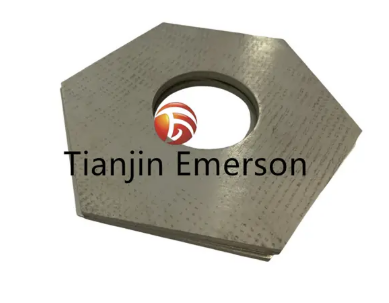
3. Key Processes in Steel Fabrication
3.1 Cutting
The cutting process is usually the first step in steel fabrication. It involves trimming steel materials into the desired shapes and sizes. Steel is typically cut using tools like saws, lasers, plasma torches, or waterjets. Each of these methods offers distinct advantages depending on the complexity of the cut and the type of steel being used.
| Cutting Method | Description | Common Uses |
| Laser Cutting | Uses a focused laser beam for intricate and precise cuts | Creating complex shapes with fine details |
| Plasma Cutting | Uses ionized gas to cut through steel quickly | Ideal for thicker steel and high-speed cutting |
| Waterjet Cutting | Uses high-pressure water mixed with abrasives to cut steel without heat | Ideal for materials sensitive to heat or intricate designs |
Cutting is a critical process because any errors during this stage can affect the entire fabrication process. Precision and accuracy are essential to ensure the fabricated parts fit together seamlessly in the final product.
3.2 Bending and Forming
Once the steel has been cut to the desired size, it often needs to be bent or shaped into angles, curves, or complex profiles. This is done using specialized machines such as press brakes, rolling machines, and CNC bending machines. These tools can bend steel sheets or plates into the required shapes without removing material, which is key for maintaining the strength and integrity of the steel.
Press Brakes: Press brakes are used to bend steel sheets and plates into angles. This process is particularly useful for creating structural components like beams and frames.
Roll Bending: Roll bending is used to create curves or cylindrical shapes from steel plates. The process uses a set of three rollers to bend the steel into a smooth curve.
CNC Bending: Computer Numerical Control (CNC) bending machines are highly precise and allow for the automated bending of steel into complex shapes with great accuracy.
Bending and forming are critical steps in the steel fabrication process because they shape the steel into the required final product. The accuracy of this step ensures that all parts fit together as intended during assembly.
3.3 Welding
Welding is a crucial step in steel fabrication as it involves joining separate pieces of steel to create a single, strong structure. There are various types of welding techniques, including MIG welding, TIG welding, and Stick welding, each offering different benefits depending on the application.
MIG Welding (Metal Inert Gas): MIG welding is a common and versatile method in steel fabrication. It uses a continuous wire electrode and a shielding gas to create a weld. MIG welding is ideal for fast, high-quality welds on a variety of steel thicknesses.
TIG Welding (Tungsten Inert Gas): TIG welding uses a non-consumable tungsten electrode to create a weld. It provides higher precision and is often used for thin materials or when a clean, high-quality weld is required.
Stick Welding: Stick welding is a simple and affordable method of joining steel components. It uses a flux-coated electrode that melts and fills the joint, creating a bond between the pieces of steel.
The welding process is essential for ensuring the strength and integrity of the final product. A poor weld can lead to structural failure, so it is crucial to ensure precision and quality during this step.
3.4 Assembling
Once the steel components have been cut, bent, and welded, they are assembled to form the final product. Assembly involves putting together the fabricated parts according to the design specifications. This can include bolting, riveting, or welding the parts together to create the final structure.
Assembly is one of the most critical steps in steel fabrication. It requires careful alignment and precision to ensure that all parts fit together perfectly. Any discrepancies in assembly can lead to issues in functionality or stability.
4. Industries That Benefit from Steel Products Fabrication
4.1 Construction
Steel products are widely used in the construction industry, particularly for structural components like beams, columns, and rebar. Steel’s strength and flexibility make it ideal for creating buildings, bridges, and other infrastructure that can withstand heavy loads and environmental stressors. In addition, the speed of steel fabrication allows for faster construction times, making it an efficient choice for large-scale projects.
4.2 Automotive
The automotive industry relies on steel for producing car body panels and other vehicle components. Steel’s ability to be molded and welded into precise shapes makes it perfect for automotive manufacturing, where both strength and lightweight properties are crucial for vehicle performance and safety. Modern vehicles often include steel parts in their bodywork, chassis, and engine components.
4.3 Energy and Utilities
Steel is used extensively in the energy and utilities sector, particularly for the construction of power generation equipment, transmission towers, and pipelines. Steel’s durability and resistance to corrosion make it well-suited for environments where equipment is exposed to extreme conditions, such as offshore oil rigs or power plants. Steel also plays a role in the manufacturing of wind turbines and other renewable energy structures.
4.4 Manufacturing and Defense
In manufacturing, steel is used to create everything from industrial machinery to consumer goods. Steel’s versatility allows it to be used in a wide range of applications, from creating parts for heavy equipment to producing everyday items. In the defense sector, steel fabrication is used to produce military equipment and weapons, ensuring they meet the strength and reliability required for critical operations.
5. Benefits of Steel Products Fabrication
5.1 Strength and Durability
Steel is renowned for its strength, making it ideal for fabrication projects where durability is essential. Steel products can withstand harsh environments, heavy loads, and extreme temperatures, making them perfect for structural applications like buildings, bridges, and power generation equipment. The ability to create strong, durable components helps ensure the longevity of the end product.
5.2 Cost-Effectiveness and Efficiency
Steel fabrication is cost-effective because it reduces material waste and accelerates production time. Prefabricated steel components can be quickly assembled on-site, reducing construction timelines and labor costs. Additionally, steel’s low maintenance requirements result in long-term savings by minimizing repair and replacement needs.
5.3 Design Flexibility and Versatility
Steel is highly flexible when it comes to design. It can be fabricated into a wide variety of shapes and sizes, from simple structural components to intricate machinery parts. The versatility of steel makes it an ideal choice for industries that require customized products, whether for construction, automotive, or manufacturing applications.
6. Common Challenges in Steel Products Fabrication
6.1 Material Handling and Precision
One of the challenges in steel fabrication is ensuring the accurate handling of materials throughout the process. Precision is key, and any misalignment or error in cutting, bending, or welding can result in a defective product. Fabricators must use advanced tools and machinery to ensure the materials are handled correctly and that the final product meets the required specifications.
6.2 Safety and Compliance
Steel fabrication is a high-risk industry, requiring strict adherence to safety standards. To prevent accidents and ensure the quality of the final product, manufacturers must follow regulatory guidelines set by industry bodies like the American Institute of Steel Construction (AISC). These standards ensure the safety of workers and the reliability of the steel products.
7. Emerging Trends in Steel Products Fabrication
7.1 Automation and Robotics
Automation and robotics are revolutionizing steel fabrication by enhancing precision, reducing errors, and speeding up production. Robotic systems can handle tasks like welding and assembly with minimal human intervention, ensuring high-quality results and improving overall efficiency. Automation is also helping to reduce costs and improve worker safety by taking on dangerous or repetitive tasks.
7.2 3D Printing in Steel Fabrication
3D printing is a game-changer for steel fabrication. This technology allows for the rapid prototyping of steel parts and the creation of complex designs that would be difficult or impossible to achieve with traditional fabrication methods. With 3D printing, manufacturers can create custom steel products more quickly and at lower cost, making it an exciting innovation in the industry.
Conclusion
Steel products fabrication is essential for creating strong, durable, and versatile products across industries. From cutting to welding and assembly, each process ensures the product meets specifications. Advancements like automation and 3D printing will continue to improve efficiency. As industries demand customized, durable, and cost-effective products, steel fabrication will lead the way. At EMERSON METAL, we provide innovative steel fabrication solutions that deliver exceptional value through reliability and precision, meeting the evolving needs of modern industries.
FAQ
Q: What is Steel Products Fabrication?
A: Steel products fabrication is the process of transforming raw steel into finished products through methods like cutting, bending, welding, and assembling. It’s used to create custom structures and components for various industries.
Q: Why is Steel Products Fabrication important?
A: Steel products fabrication is crucial because it provides strong, durable, and versatile materials used in construction, automotive, energy, and manufacturing, ensuring quality and reliability.
Q: What are the benefits of Steel Products Fabrication?
A: Steel products fabrication offers strength, durability, cost-effectiveness, design flexibility, and efficiency. It allows the creation of custom products tailored to specific needs across industries.
Q: How does Steel Products Fabrication work?
A: Steel products fabrication involves cutting raw steel into desired shapes, bending or forming it, welding parts together, and assembling them into a final product. Precision is key in every step.
Q: What industries use Steel Products Fabrication?
A: Industries such as construction, automotive, energy, manufacturing, and defense rely on steel products fabrication for creating structural components, machinery parts, and equipment.
Q: What is the role of welding in Steel Products Fabrication?
A: Welding is essential in Steel Products Fabrication as it joins steel components to create strong, durable structures. It ensures the integrity and functionality of the final product.


