1. Introduction
Steel products fabrication is the backbone of modern industries. It transforms raw steel into essential components used in construction, transportation, and energy sectors. In this article, we will explore the wide range of products created through steel fabrication. You'll learn how these versatile materials power industries and contribute to infrastructure development.
2. Steel Products Fabrication Overview
2.1 What is Steel Products Fabrication?
Steel products fabrication refers to the process of converting raw steel into finished products that serve specific functional or aesthetic purposes. This process involves several methods such as cutting, bending, welding, and machining, all of which allow steel to be shaped into anything from structural components to specialized machinery parts. Steel products fabricated through these processes are essential in nearly every industry, from the construction of buildings and bridges to the production of automotive components and home appliances.
Steel fabrication is crucial because it ensures that steel structures and components meet precise engineering specifications, making them reliable and durable for use in demanding environments. The fabrication process is employed to create products for industries including construction, automotive, energy, manufacturing, and even consumer goods.
2.2 The Steel Fabrication Process
The fabrication of steel involves several core techniques, each serving a specific purpose to shape steel into the final product:
Cutting: Steel cutting is the first step in many fabrication processes. Common methods include laser cutting, water jet cutting, and traditional saw cutting. These methods remove unwanted parts of steel and create the desired shape.
Bending: Steel is bent to form angles, curves, or other shapes using press brakes or roller machines. This process is vital for creating structural beams, supports, and other components.
Welding: Welding is a process in which two or more steel components are fused together to form a strong joint. This is achieved using different welding techniques such as MIG (Metal Inert Gas), TIG (Tungsten Inert Gas), and Stick welding.
Machining: Precision machining techniques are used to achieve tight tolerances and fine details in steel components. CNC (Computer Numerical Control) machines often handle this process, ensuring high accuracy.
Assembly: After the steel parts are fabricated, they are assembled into the final product. This involves aligning and joining various steel components into a single functional piece.
Each of these processes requires advanced machinery, precision, and skilled labor to ensure the highest standards of quality and performance.
2.3 Industries Benefiting from Steel Fabrication
Steel fabrication serves a broad range of industries, contributing to the production of essential products across various sectors. Some of the key industries benefiting from steel fabrication include:
Construction: Steel fabrication is fundamental in building large structures such as skyscrapers, bridges, and industrial buildings. It is used to create everything from steel beams and columns to structural framing and supports.
Automotive: The automotive industry relies heavily on steel fabrication for creating car frames, chassis, engine components, and other vehicle parts. Steel provides the strength and durability needed for vehicle safety and performance.
Energy: Steel is essential in the energy sector, where it is used in the fabrication of components like pipelines, storage tanks, and energy production equipment. Fabricated steel parts are used in power plants, oil refineries, and renewable energy systems.
Manufacturing: Many industries rely on steel fabrication to produce parts for heavy machinery, equipment, and tools. The manufacturing sector requires durable and high-performance components to meet the demands of industrial operations.
Consumer Goods: Steel fabrication plays a vital role in producing household goods such as kitchenware, appliances, and hardware. Steel’s strength and resistance to corrosion make it ideal for products that require durability and longevity.
| Industry | Steel Fabrication Use |
| Construction | Steel beams, columns, structural framing, and supports for buildings and bridges. |
| Automotive | Vehicle frames, chassis, engine components, suspension systems, and more. |
| Energy | Pipelines, storage tanks, energy production equipment for power plants, and refineries. |
| Manufacturing | Parts for machinery, tools, and equipment used in heavy industrial operations. |
| Consumer Goods | Household appliances like refrigerators, ovens, kitchenware, and various hardware components. |
3. Structural and Industrial Steel Products
3.1 Structural Steel for Buildings and Infrastructure
Structural steel is one of the most common products in steel fabrication. It provides the backbone of buildings, bridges, and other large infrastructure projects. Fabricated steel components such as beams, columns, and plates are precisely engineered to meet the requirements of each project. These structural elements provide the necessary strength and stability to ensure the safety of the building and its occupants. Steel is often used in both commercial and residential construction due to its strength, flexibility, and ability to withstand harsh environmental conditions.
For large-scale infrastructure projects like bridges, highways, and industrial plants, steel fabrication ensures that all components fit together seamlessly, maintaining structural integrity and safety.
3.2 Industrial Platforms and Mezzanines
Steel fabrication is also used to create industrial platforms and mezzanines. These raised flooring systems maximize space utilization in factories, warehouses, and other industrial environments. Mezzanines, which are intermediate floors between the ground and upper levels, are essential for optimizing vertical space in manufacturing or storage facilities. Steel’s strength allows these platforms to support heavy loads, making them ideal for industrial applications where space efficiency and durability are essential.
In addition to structural support, industrial platforms and mezzanines also offer workers a safe and organized working environment.
3.3 Pipe Racks and Supports
In industrial plants, pipes are used to transport chemicals, gases, and liquids across large facilities. Steel fabrication provides pipe racks and supports that organize and hold pipes in place, ensuring that they do not shift or become damaged. These steel supports are essential for maintaining the integrity of the pipe system, especially in plants where the piping system is extensive and complex.
The fabrication of pipe racks includes ensuring that they are robust enough to handle the weight of pipes while also providing space for maintenance and inspection.
3.4 Grating and Industrial Equipment
Steel grating is used in a wide range of industrial applications. Its open-grid design allows for the passage of light, air, and water, making it ideal for use in walkways, platforms, and stair treads. Steel grating is also used in oil and gas fields, refineries, and chemical plants for its durability and resistance to harsh environments.
In addition to grating, steel fabrication produces industrial equipment parts, including tanks, machinery components, and custom-built tools. These fabricated components are used in various industries such as mining, agriculture, and manufacturing to ensure smooth and efficient operations.
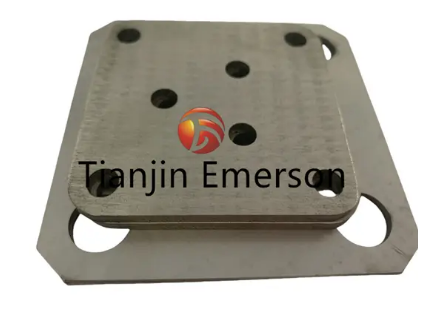
4. Steel Products for Transportation and Automotive Industries
4.1 Vehicle Parts
Steel is a vital material in the automotive industry, where it is used to create vehicle frames, chassis, and body panels. Steel fabrication is used to manufacture essential components that ensure the vehicle’s structural integrity and safety. Components such as suspension systems, engine mounts, and brackets are also fabricated using steel. The automotive industry requires high-strength steel to ensure that these parts can withstand impact and perform reliably over time.
Additionally, steel's ability to be easily welded and shaped makes it ideal for creating complex automotive parts, including engine blocks and transmission components.
4.2 Railway and Marine Components
Steel fabrication is essential in the transportation sector, particularly in the railway and marine industries. In railways, steel is used to fabricate railway tracks, rails, and structural elements of bridges. These components are designed to endure heavy loads, high speeds, and exposure to the elements.
In the marine industry, fabricated steel is used to build ships, boats, and other watercraft. Steel is used to create hulls, decks, and structural parts that must withstand harsh marine environments. Fabricated steel components in marine vessels need to be durable enough to handle corrosion, strong currents, and impacts with obstacles.
4.3 Bicycle and Other Transportation Products
In addition to cars and ships, steel is used in the production of bicycles and other personal transportation products. Steel bicycle frames are fabricated for their strength, flexibility, and durability. This makes steel a preferred material for bicycle manufacturers, especially for rugged bikes designed for mountain trails or city commuting.
Steel is also used in the fabrication of parts for alternative transportation solutions like scooters, motorcycles, and electric vehicles.
5. Consumer and Architectural Steel Products
5.1 Architectural Elements
Steel fabrication is key in creating decorative and functional architectural elements for buildings. Items such as facades, handrails, and staircases are often made from steel for both their aesthetic appeal and structural reliability. Fabricated steel can be used to create intricate designs, offering flexibility for architects and designers to create unique and visually striking elements in commercial and residential buildings.
Steel’s strength also makes it an ideal material for load-bearing structures such as support beams, window frames, and building cladding.
5.2 Household Appliances and Goods
Steel is extensively used in household appliances such as refrigerators, ovens, washing machines, and dishwashers. Fabricated steel components such as frames, casings, and internal parts are crucial for the durability and performance of these products. Steel’s resistance to corrosion, especially in the presence of moisture, makes it the ideal material for appliances that are exposed to water and heat.
Steel is also used in kitchenware like pots, pans, and utensils. Its strength, durability, and resistance to corrosion ensure these items last for years, even with constant exposure to heat and harsh cleaning processes.
5.3 Hardware and Sports Equipment
In addition to household goods, steel fabrication is widely used for producing essential hardware such as fasteners (bolts, screws, nuts) and sporting goods like gym equipment, protective gear, and outdoor sporting tools. Steel’s strength makes it ideal for creating products that need to withstand heavy use and high stress, ensuring longevity and reliability in both everyday use and extreme conditions.
6. Types of Steel Used in Fabrication
6.1 Carbon Steel
Carbon steel is one of the most commonly used types of steel in fabrication. It contains varying amounts of carbon, which affects its strength, hardness, and ductility. Low-carbon steel is more flexible, making it easier to shape, while high-carbon steel is stronger and more resistant to wear, making it ideal for structural applications.
6.2 Stainless Steel
Stainless steel is known for its excellent corrosion resistance. This makes it suitable for applications where steel will be exposed to moisture or harsh chemicals. Stainless steel is commonly used in the fabrication of food processing equipment, medical tools, and architectural features. It is also used in appliances due to its aesthetic appeal and ability to resist rust and staining.
6.3 Tool Steel and Alloy Steel
Tool steel is used to create products that require high hardness and resistance to wear. It is essential for manufacturing industrial tools, dies, and machinery parts. Alloy steel, which contains a mix of elements like chromium and nickel, is stronger and more durable, making it ideal for applications like heavy machinery and oil pipes.
7. Advanced Techniques in Steel Fabrication
7.1 Automation and Robotics
The integration of automation and robotics in steel fabrication has transformed the industry. These technologies allow for faster production times, improved accuracy, and reduced human error. Automated welding, cutting, and assembly processes help meet the increasing demand for high-quality steel products, while robots can handle repetitive and dangerous tasks, improving workplace safety.
7.2 3D Printing in Steel Fabrication
3D printing has opened new possibilities in steel fabrication. With this technology, manufacturers can produce intricate and custom designs that were once impossible to achieve through traditional methods. This process allows for rapid prototyping and testing, which can significantly reduce lead times and costs.
7.3 Adaptive Technologies
Adaptive technology in steel fabrication allows machines and software to adjust in real time to changes in steel types and design specifications. This increases efficiency, reduces material waste, and improves the flexibility of the fabrication process. The ability to rapidly switch between different materials or adjust designs mid-production ensures that fabricators can meet specific client needs.
Conclusion
Steel products fabrication is essential to modern industries, creating everything from structural steel for buildings to consumer goods and vehicle parts. The strength, versatility, and durability of fabricated steel make it indispensable across various sectors. As technology advances, steel fabrication methods evolve, allowing for more complex, customized products. Companies like EMERSON METAL are at the forefront, providing high-quality steel products that deliver value through innovation, precision, and reliability.
FAQ
Q: What is Steel Products Fabrication?
A: Steel products fabrication is the process of shaping raw steel into finished products through techniques like cutting, bending, welding, and machining. These products serve various industries, including construction, automotive, and energy.
Q: What products are made through Steel Products Fabrication?
A: Steel products fabrication creates items like structural steel for buildings, automotive parts, industrial platforms, pipe racks, and household goods such as kitchenware. These products are essential in various sectors.
Q: Why is Steel Products Fabrication important?
A: Steel products fabrication is vital because it provides durable, strong, and reliable components needed for infrastructure, machinery, and consumer goods across multiple industries.
Q: How does Steel Products Fabrication benefit the automotive industry?
A: Steel products fabrication helps create vital automotive components like chassis, frames, and engine parts. These parts ensure vehicles are strong, safe, and reliable.
Q: What advantages does Steel Products Fabrication offer for construction projects?
A: Steel fabrication provides strong, versatile, and precise components like beams, columns, and structural supports, ensuring the safety and stability of buildings and infrastructure projects.


