

Views: 0 Author: Site Editor Publish Time: 2026-06-26 Origin: Site


Component failure or tolerance deviation in machine assembly creates compounding problems on the shop floor. Precision at the component level dictates overall system reliability. Procurement and engineering teams face a distinct challenge when transitioning from internal prototyping to outsourced, high-volume production. You must scale up without sacrificing dimensional accuracy or extending lead times. Finding the right manufacturing partner requires a strict evaluation process. You need a reliable custom metal laser cutting service to handle this transition effectively. This guide introduces a practical framework for evaluating potential vendors. We focus on technological capability and complementary manufacturing processes like punching and forming. We also examine material handling, quality assurance, and scalability. Moving from print to production requires seamless integration. You will learn how to audit a vendor's capabilities to ensure they meet strict assembly requirements and keep your production lines running smoothly.
Tolerance and Edge Quality: Selecting a vendor requires looking beyond basic capabilities to evaluate edge condition, kerf width management, and the minimization of the Heat-Affected Zone (HAZ).
Technology Matching: Fiber lasers and CO2 lasers serve different material and thickness requirements; vendor equipment must align with the specific OEM application.
Downstream Capabilities: True efficiency often lies in a vendor's ability to combine a CNC laser cutting service with complementary operations like CNC punching, press brake forming, and light assembly to deliver production-ready components.
Design to Production Workflow: The ability to seamlessly translate metal parts from drawings into optimized, nested machine code is a critical indicator of vendor maturity.
Standard industry tolerances for laser cutting typically hover around ±0.005 inches for thin gauge materials. Material thickness and type directly impact these baseline metrics. Thicker plates naturally introduce slight variations due to beam divergence and thermal expansion during the cutting cycle. You must define dimensional repeatability over high-volume production runs. A capable vendor maintains these tight tolerances across thousands of OEM laser cut parts. Consistency ensures that components fit perfectly into complex machine assemblies without requiring manual rework on your floor. When auditing a vendor, ask for their standard tolerance charts based on material thickness and grade. This data reveals their machine calibration frequency and operator expertise.
| Material Thickness | Standard Tolerance (Fiber Laser) | Standard Tolerance (CO2 Laser) |
|---|---|---|
| 0.036" to 0.125" | ±0.003" | ±0.005" |
| 0.135" to 0.250" | ±0.005" | ±0.008" |
| 0.375" to 0.500" | ±0.008" | ±0.010" |
| 0.625" to 1.000" | ±0.015" | ±0.020" |
Edge smoothness is usually measured by its Ra value. Angular taper occurs when the laser beam loses focus through thick material, creating a slight V-shape on the cut edge. Dross removal is another critical factor in edge quality. Dross is the resolidified material that clings to the bottom edge of the cut. A highly capable vendor minimizes these imperfections during the cutting phase by optimizing focal length, gas pressure, and cutting speed. This reduces the need for secondary deburring, grinding, or machining. Clean edges translate directly to faster downstream assembly and welding. If your parts require robotic welding, edge consistency is non-negotiable. Poor edge quality will cause weld defects and structural failures.
Thermal distortion is a major concern in metal fabrication. Vendors must mitigate this heat, particularly for parts requiring subsequent welding or forming. High-fatigue applications are also sensitive to microstructural changes caused by heat. The Heat-Affected Zone (HAZ) is the area of base material that has had its microstructure and properties altered by the laser's intense heat. Different cutting gases alter the depth of the HAZ. Nitrogen assist gas cools the cut faster than oxygen and prevents oxidation. Evaluating a vendor's gas selection process is necessary for maintaining structural integrity. Ask potential partners how they manage heat buildup on nested sheets, especially when cutting intricate geometries with tight web spacing.
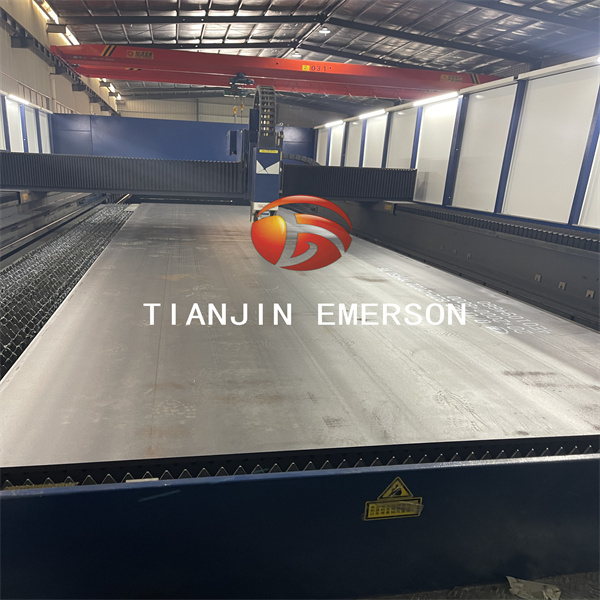
Fiber lasers are optimal for thin-to-medium gauge metals. They handle reflective metals easily and operate at incredibly high speeds. CO2 lasers historically perform better for very thick plate cutting and provide specific edge finishes on certain materials like thick acrylics or specific steel grades. Buyers should audit a vendor's machine list carefully. Look for equipment age, beam quality controls, and generator wattage. High-wattage fiber lasers (10kW to 20kW+) now rival CO2 machines in thick plate capabilities while maintaining superior speeds on thinner gauges. Understanding the equipment profile helps you match your specific part requirements to the right machine technology.
Fiber lasers offer higher wall-plug efficiency, reducing operational overhead.
CO2 lasers require more maintenance due to mirrors and optical alignments.
High-power fiber lasers can cut copper and brass without back-reflection damage.
CO2 lasers often leave a smoother edge on mild steel thicker than 0.500 inches.
Standard flatbed cutting handles two-dimensional sheet metal profiles. Multi-axis tube and structural laser cutting process three-dimensional shapes like square tubing, round pipes, and C-channels. Consolidating vendors offers significant advantages for complex assemblies. If your project requires both flat and tubular components, find a dual-capable vendor. This reduces logistical headaches and ensures consistent quality control across all fabricated parts. Tube lasers can also cut complex interlocking joints, which drastically reduces welding fixture requirements and assembly time on your floor.
Hybrid laser-punching systems offer immense flexibility. They are perfect for parts requiring high-density hole patterns, countersinks, or louvers alongside complex outer profiles. These machines punch standard shapes rapidly and laser-cut complex geometries in one setup, eliminating secondary routing. Analyze the vendor's in-house press brake forming capabilities as well. Hardware insertion, like PEM setting, is another valuable secondary operation. Parts should move directly from the laser bed to the press brake, and then to final assembly. A vendor with a CNC laser cutting service integrated with robust forming capabilities will reduce your overall lead times significantly.
Automated loading and unloading systems ensure continuous production. Flexible Manufacturing Systems (FMS) and tower systems reduce labor overhead. They allow machines to run lights-out during off-shifts, maximizing throughput. This automation directly impacts a vendor's capacity and lead time reliability. High-volume orders demand robust material handling infrastructure. If a vendor relies entirely on manual sheet loading with a forklift, their production capacity is bottlenecked by human operators. Automated towers store multiple material grades and thicknesses, allowing the machine to switch jobs seamlessly without operator intervention.
Evaluating vendor capabilities for thick plate cutting requires technical scrutiny. Assist gas selection plays a major role in custom steel plate cutting. Oxygen creates an oxidized edge that may require mechanical removal before painting or powder coating. If left intact, the oxide layer can flake off, taking the paint with it. Nitrogen leaves a clean edge, improving paint adhesion immediately. Verify that the vendor uses the correct gas for your finishing requirements. High-pressure nitrogen cutting requires significant gas volume, so ensure the vendor has bulk gas storage or on-site nitrogen generation to support large production runs.
Cutting stainless steel requires strict environmental controls to prevent carbon contamination. Nitrogen-assist high-pressure cutting is mandatory here. This process maintains the material's inherent corrosion resistance by preventing oxidation on the cut edge. Medical and food-grade applications cannot tolerate oxidized edges or cross-contamination from carbon steel dust. Vendors must demonstrate dedicated handling procedures for stainless materials. This includes using separate grinding tools, dedicated storage racks, and clean handling practices to prevent rust spots from forming on the finished parts.
Aluminum, brass, and copper present historical challenges for laser cutting. Back-reflection damage can destroy older CO2 laser cutting heads. Modern high-kilowatt fiber lasers overcome these reflective issues safely. They process non-ferrous metals with high speed and excellent edge quality. Ensure the vendor utilizes modern fiber technology for these specific materials. Aluminum cutting also produces fine, highly combustible dust. The vendor must have proper wet dust collection systems in place to handle high-volume aluminum production safely.
Every laser system has realistic maximum thickness guidelines. Vendors should honestly recommend alternative processes when necessary. Waterjet cutting is ideal for ultra-thick parts requiring zero HAZ or for materials that cannot be subjected to thermal stress. Plasma cutting offers better efficiency on heavy structural steel where tolerances are looser and edge quality is less critical. A trustworthy vendor guides you to the right process for the application rather than forcing a part onto a laser that will yield poor results.
| Material Type | Practical Max Thickness (Laser) | Alternative Process Recommendation |
|---|---|---|
| Mild Steel | 1.250" | Plasma or Oxy-Fuel for > 1.250" |
| Stainless Steel | 1.000" | Waterjet for > 1.000" or zero HAZ |
| Aluminum | 1.000" | Waterjet for > 1.000" |
| Copper/Brass | 0.500" | Waterjet for > 0.500" |
A technical evaluation of a vendor's CAD/CAM department is essential. They must ingest standard formats like DXF, DWG, and STEP seamlessly. Verification of geometric dimensions and tolerances against flat patterns is critical. The ability to translate metal parts from drawings into optimized machine code shows maturity. Software dictates how efficiently the machine will process the geometry. Advanced CAM software automatically applies lead-ins, lead-outs, and micro-joints to prevent parts from tipping up and crashing the laser head. Ask the vendor about their programming workflow and how they handle revision control on your drawings.
Hole diameters should typically match or exceed material thickness. This 1:1 ratio prevents kerf distortion and blowout during piercing. Minimum web and tab widths prevent burnaway and structural weakness. Incorporating slots and tabs directly into the layout is a smart design choice. This eliminates welding jigs and reduces downstream assembly labor. Self-fixturing designs allow parts to slot together perfectly before welding, ensuring dimensional accuracy without expensive tooling.
Maintain a 1:1 ratio for hole diameter to material thickness.
Keep web widths at least equal to the material thickness to prevent heat distortion.
Use corner radii instead of sharp internal corners to reduce stress concentrations.
Design tab-and-slot features for self-fixturing sheet metal assemblies.
Specify grain direction if parts require subsequent press brake forming.
Vendors must manage the transition from prototype to production carefully. A First Article Inspection (FAI) validates the initial setup against the engineering print. Once approved, the vendor must lock in the repeatable production run. Consistency in machine parameters, focal position, and gas selection is mandatory. Raw material mill sources should also remain consistent to prevent variation in material behavior during forming or welding. Changing material suppliers mid-production can alter the yield strength, causing parts to bend differently on the press brake.
Advanced nesting software maximizes material utilization across the sheet. Nesting parts within the scrap windows of larger parts reduces waste. High material yield directly impacts the efficiency of the production run. Efficient nesting algorithms are a hallmark of a sophisticated fabrication partner. They use common-line cutting techniques where two parts share a single cut path, reducing laser run time and gas consumption. Evaluate how the vendor handles scrap and whether they pass material savings back to you through optimized nesting.
Evaluate a vendor's machine redundancy and shift scheduling. Machine breakdowns should not derail your delivery schedule. If a vendor only has one high-power laser, a single maintenance issue stops your production. Raw material inventory levels also dictate lead time reliability. Vendors with deep inventory can weather sudden supply chain disruptions. Reliable capacity ensures your assembly lines never stall. Ask about their preventative maintenance schedules and how they handle emergency rush orders.
Verifiable certifications prove a vendor's commitment to quality. Look for ISO 9001:2015, AS9100, or ISO 13485 depending on your industry. In-house inspection equipment is just as important as the certifications. Flat part scanners, optical comparators, and CMMs ensure traceable compliance. Quality must be measurable and documented at every step. A flat part scanner can inspect a 2D laser-cut profile against the original DXF file in seconds, providing a detailed deviation report before the parts move to the next operation.
Material shortages and mill tolerance variations pose significant risks to production schedules. Mitigate this by evaluating vendors with deep mill relationships and bulk purchasing power. Material traceability tracking (MTRs) ensures you know exactly what chemical composition and yield strength you are getting. Some vendors allow consigned material to bypass sourcing risks entirely. Secure supply chains are vital for uninterrupted production. Always verify that the vendor checks incoming sheet thickness with calipers, as mill tolerances can vary enough to affect press brake bend deductions.
Prototype quality does not always match high-volume production quality. Mitigate this risk by requiring strict First Article Inspection reports for the first production batch. Lock in the machine-specific routing and cutting parameters contractually. Do not allow the vendor to switch machines without prior engineering approval. Consistency requires rigid process control. If a prototype is cut on a 10kW fiber laser with nitrogen, but production is moved to an older CO2 laser with oxygen to save money, the edge quality and weldability will change drastically.
Receiving parts that require unexpected internal rework ruins production schedules. Mitigate this by clearly defining edge condition in the initial RFQ. Specify surface finish, dross removal, and deburring requirements upfront. Clear communication prevents hidden labor costs on your assembly floor. Demand production-ready parts upon delivery. If parts arrive with sharp burrs, your team will waste hours grinding them down before assembly can begin. Specify whether parts need to be run through a flatbed deburring machine or vibratory tumbler.
The right fabrication partner acts as an extension of your own manufacturing floor. They balance precision, speed, and effective secondary capabilities seamlessly. Shortlist vendors based on a matrix of their equipment wattage, in-house services, and engineering feedback capabilities. Prepare a comprehensive RFQ package to begin capability testing immediately.
Compile a complete RFQ package including 2D DXF files, 3D STEP models, and detailed PDF prints with all GD&T callouts.
Request a facility equipment list to verify machine redundancy, laser wattage, and automated material handling capabilities.
Demand a sample part run to evaluate edge quality, taper, and dross removal before committing to high-volume production.
Verify the vendor's QMS certifications and ask for a demonstration of their flat part scanning or CMM inspection process.
A: Standard tolerances typically range from ±0.005" to ±0.010". Variations depend on material thickness, machine setup, and thermal expansion during the cutting process. Thicker plates naturally introduce more variance due to beam divergence.
A: Modern high-power fiber lasers can cut carbon steel up to 1.25 inches or more. However, edge quality and taper vary significantly at extreme thicknesses. For parts thicker than 1.25 inches, plasma or waterjet cutting is usually recommended.
A: Standard vector and 3D formats include DXF, DWG, STEP, and IGES. You must also include an accompanying PDF for tolerance callouts, material specifications, grain direction, and secondary finish instructions.
A: Yes, HAZ is inevitable due to the thermal nature of the process. It can be minimized through proper assist gas pressure, optimized cutting speeds, and modern fiber laser technology. Nitrogen assist gas helps reduce the thermal impact compared to oxygen.
A: Lasers offer high speed and tight tolerances on thin-to-medium gauge metals. Waterjets provide zero HAZ and can cut thicker materials without thermal distortion. Plasma offers cost efficiency on very thick structural plates where tight tolerances are not required.
A: This depends entirely on the vendor's specific equipment. Some specialize only in flatbeds, while others have dedicated multi-axis tube lasers installed. Dual-capable vendors are ideal for complex assemblies requiring both profiles.
