Abrasive wear and high-impact material flow cause unplanned downtime and premature component failure in heavy mining and bulk material handling operations. Specifying standard structural steel for high-wear zones guarantees rapid degradation. Over-specifying extreme-hardness plates leads to structural cracking, heavy material costs, and severe fabrication bottlenecks on the shop floor.
Rising global demand for heavy machinery drives the adoption of specialized wear resistant steel plate grades. These materials optimize equipment lifecycles and maximize operational throughput. Selecting the correct plate requires calculating wear mechanisms, mechanical properties, and fabrication constraints. You cannot guess material grades when dealing with thousands of tons of abrasive rock. This guide provides a field-tested framework for evaluating, shortlisting, and implementing optimal steel grades for industrial equipment, ensuring your machinery stays operational under brutal conditions.
Hardness vs. Toughness Trade-off: Increasing Brinell hardness extends wear life but reduces impact resistance and formability; selection must match the specific operational wear mechanism (sliding vs. impact).
Grade Differentiation: NM400 steel plate offers a versatile balance of weldability and abrasion resistance, while NM500 wear plate is reserved for extreme sliding abrasion environments where structural forming is minimal.
The Intermediate Sweet Spot: Grades like NM450/AR450 bridge the gap, offering enhanced wear life over 400 HBW grades while retaining reasonable cold-forming characteristics.
Fabrication Realities: High-hardness plates require strict adherence to specialized cutting, pre-heating, and welding protocols to prevent heat-affected zone (HAZ) softening and cold cracking.
Framing the Wear Problem in Heavy Industry
Defining the operational environment dictates your material selection. You must distinguish between sliding abrasion and impact abrasion. Sliding abrasion happens when sand or gravel moves down a chute, slowly grinding away the surface. Impact abrasion occurs when heavy boulders drop into a truck bed, transferring massive kinetic energy that can gouge or crack the metal. Establishing success criteria for mining equipment steel parts means extending component lifecycles, minimizing maintenance shutdowns, and maintaining structural integrity under continuous payload stress.
Using bolt-on or weld-on wear plates as sacrificial liners works well in the field. These replaceable intermediaries protect permanent structural components from raw material degradation. When you compare traditional plates with alternatives like Chromium Carbide Overlay (CCO) plates, polyurethane liners, or advanced ceramic-metal composites, you identify the optimal performance ratio for specific wear zones. Polyurethane works for wet, fine materials, but heavy rock requires hardened steel.
We see many operations fail because they use mild steel in high-impact zones. The material yields, deforms, and eventually tears. Upgrading to an abrasion resistant steel plate changes the maintenance schedule from weekly patching to quarterly replacements. You have to map the wear zones on your equipment. High-velocity impact zones need toughness. High-friction sliding zones need maximum surface hardness.
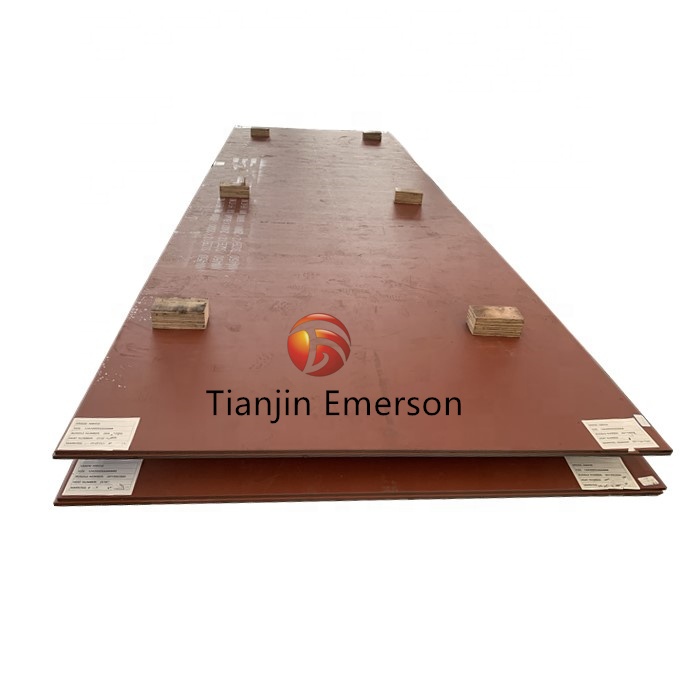
Evaluating Wear Resistant Steel Plate Grades
NM400 Steel Plate: The Baseline for Formability and Toughness
The NM400 steel plate features a Brinell hardness range of 360–430 HBW. It offers excellent yield strength and a balanced chemical composition. We use this grade for applications requiring moderate to high impact resistance combined with the need for cold bending and extensive welding. It forms well in a press brake if you follow the minimum bend radius guidelines.
While it has a lower absolute wear life compared to harder grades, NM400 provides significantly lower fabrication costs. It reduces the risk of brittle fracture under heavy impact. You can weld it using standard low-hydrogen practices without excessive pre-heating in most ambient conditions. This makes it a highly versatile choice for structural components like excavator bucket shells and heavy-duty truck frames.
NM450 / AR450: The Optimized Intermediate Grade
NM450 and AR450 grades fall within a Brinell hardness range of 420–480 HBW. They balance increased wear resistance with manageable toughness margins. We specify these grades for applications where NM400 wears down too rapidly, but fabrication requirements or impact levels prevent the transition to harder plates. It hits the sweet spot for many mining operations.
Achieving up to a 1.5x wear life extension over standard 400 HBW grades happens frequently in the field. This performance boost does not require major tooling overhauls for fabrication. You can still drill and cut NM450 with standard heavy-duty shop equipment, making it an efficient upgrade for material handling systems like conveyor transfer points and hopper bins.
NM500 Wear Plate: Maximizing Lifespan in Extreme Abrasion
The NM500 wear plate offers a typical Brinell hardness range of 470–530 HBW. It includes alloy additions like Boron and Manganese for deep hardening. This grade excels in high-friction, high-sliding environments with minimal severe impact. We use it for deflector plates, scraper blades, and chute liners handling highly abrasive ores.
Implementation comes with strict limitations on cold forming. Working with NM500 requires advanced machining tooling and highly controlled welding environments. You cannot bend this material tightly without cracking it. You must pre-heat the plate before welding to prevent hydrogen-induced cold cracking. It is a premium material for specific, flat-wear applications.
Standardized vs. Proprietary Wear Plates
Understanding the relationship between Chinese GB standards (NM400/NM500) and global proprietary equivalents (AR400/AR500) helps you source material effectively. Standardized grades compare favorably to legacy proprietary brands in terms of chemistry, clean steel processing, and consistency. The steelmaking process dictates the quality, not just the brand name.
Verifying mill test certificates (MTCs) ensures that the chemical composition and mechanical properties align with project engineering specifications. Always cross-reference MTC data with your operational requirements before procurement. Look at the carbon equivalent value (CEV) to determine your welding procedures.
| Steel Grade | Hardness (HBW) | Yield Strength (MPa) | Primary Application | Formability |
| NM400 | 360 - 430 | 1000 | Bucket shells, truck beds | Good |
| NM450 | 420 - 480 | 1200 | Hoppers, feeder liners | Moderate |
| NM500 | 470 - 530 | 1300 | Deflector plates, scrapers | Poor |
Core Evaluation Dimensions: Features to Operational Outcomes
Brinell Hardness (HBW) vs. Yield Strength
Surface hardness directly correlates to sliding wear resistance. The harder the plate, the longer it survives abrasive sliding. Yield strength dictates the plate's ability to resist plastic deformation under heavy loads. Balancing these two properties maximizes component lifespan without sacrificing structural stability. If you only look at hardness, you might select a plate that cracks under the first heavy impact.
We measure hardness using the Brinell scale because it leaves a larger indentation, providing a better average reading across the steel's microstructure. Yield strength tells us how much force the plate can take before it permanently bends. In structural wear applications, you need both. A dump truck bed needs high yield strength to handle the payload weight and high hardness to resist the sliding rock during dumping.
Impact Toughness in Extreme Environments
Charpy V-Notch testing evaluates toughness at sub-zero temperatures. This metric matters for mining equipment operating in arctic or high-altitude environments. Cold temperatures make steel brittle. Brittle fracture risks elevate significantly when heavy equipment operates at -40 degrees.
We look for guaranteed impact toughness values on the MTC. A plate might have a hardness of 500 HBW, but if its Charpy impact value drops to near zero in the cold, a single rock strike will shatter it. You must specify low-temperature toughness grades for cold-weather operations to prevent catastrophic equipment failure.
Weight Reduction and Payload Optimization
Utilizing higher-strength plates allows you to reduce the thickness of structural components. This decreases equipment tare weight and increases payload capacity in mobile fleets. Every ton of steel you remove from an empty dump truck is an extra ton of ore you can haul per trip.
Upgrading from a 20mm mild steel plate to a 12mm NM450 plate maintains the same structural integrity and provides better wear life, while cutting the liner weight nearly in half. This directly impacts operational efficiency, fuel consumption, and tire wear on heavy haul trucks.
Application Mapping: Six Key Applications of Wear Plates in the Mining Industry
1. Excavator and Dragline Buckets
Balancing extreme impact at the lip, cheeks, and ground engaging tools (GET) with sliding abrasion on the bucket shell dictates the design. We utilize NM400 for structural components because it handles the twisting forces and impact. We weld NM500 wear strips on the bottom and sides to handle the sliding abrasion against the earth.
2. Conveyor Chutes, Hoppers, and Transfer Points
Prioritizing high-hardness grades like NM500 for sliding wear works best here. The material simply slides over the steel. Utilizing bolt-on modular liner designs allows for rapid maintenance change-outs. When a section wears thin, maintenance crews unbolt it and drop in a new plate without hot work permits or extensive downtime.
3. Dump Truck Beds and Haulage Liners
Utilizing flexible, impact-resistant grades like NM400 or NM450 absorbs the kinetic energy of loading. When a loader drops ten tons of rock, the bed must flex. These grades resist the gouging abrasion associated with dumping heavy raw materials. Harder plates would crack under the loading impact.
4. Vibrating Screen Decks and Grizzly Feeders
These components withstand constant high-frequency impact and material segregation. Specifying medium-to-high hardness plates with precise perforation patterns resists structural fatigue. The steel must handle millions of vibration cycles without developing fatigue cracks radiating from the screen holes.
5. Crusher Chutes and Feed Liners
Managing the transition of large, uncrushed run-of-mine (ROM) ore requires massive protection. Implementing thick, ultra-hard plates prevents high-velocity rock impact from breeching the structural housing. We often use 50mm or thicker plates in these zones, backed by rubber or polyurethane to absorb the shockwaves.
6. Bucket Wheel Excavators and Reclaimer Buckets
High-speed continuous scooping of bulk materials requires high tensile strength combined with elevated surface hardness. This combination prevents premature edge wear and structural deformation. The buckets must maintain their shape to ensure efficient digging and dumping cycles.
Implementation Risks and Fabrication Mitigation
Machining and Cutting Abrasion Resistant Steel Plate
Risks include tool wear, work hardening, and loss of plate hardness due to excessive heat input. Thermal cutting methods like plasma or oxy-fuel create a heat-affected zone (HAZ) along the cut edge. This zone can become brittle or lose its wear resistance. Follow strict guidelines for laser, plasma, and waterjet cutting.
Waterjet cutting eliminates the HAZ entirely, making it ideal for precision parts. When drilling or milling, you must use rigid setups, carbide tooling, and copious amounts of coolant. Adhere to recommended speeds and feeds. If you let the tool rub without cutting, the steel will work-harden, destroying your drill bit instantly.
Welding Protocols to Prevent Cold Cracking
Hydrogen-induced cracking in the HAZ is a major risk due to high carbon equivalent values (CEV). As hardness increases, so does the CEV. Mandatory pre-heating requirements drive out moisture and slow the cooling rate. You must use low-hydrogen consumables (like E7018 electrodes or specific flux-cored wires) stored in a rod oven.
Controlled cooling rates prevent the formation of brittle martensite in the weld zone. Never weld a cold plate. Never let a welded plate cool rapidly in the wind or rain. Wrap the finished weld in thermal blankets if necessary to ensure a slow, controlled temperature drop.
| Plate Thickness (mm) | NM400 Pre-heat Temp (°C) | NM500 Pre-heat Temp (°C) |
| 10 - 20 | None (Ambient > 15°C) | 75 - 100 |
| 20 - 40 | 75 | 125 - 150 |
| 40 - 60 | 100 | 175 - 200 |
Bending and Forming Limitations
Plate cracking during press braking happens frequently with high-hardness grades. Strictly observe minimum bending radii rules. Bending transverse to the rolling direction allows for a tighter radius than bending parallel to it. Always grind the cut edges smooth before bending to remove micro-cracks that can propagate under stress.
Localized heating is sometimes necessary for extreme grades, but you must control the temperature carefully. Heating the plate above 250°C can permanently destroy its hardness and wear resistance. If the design requires tight bends, you must step down to a more formable grade like NM400.
Conclusion
Wear resistant steel plate requires precise matching to the wear mechanism and fabrication capabilities of your facility. Default to NM400 for structural components requiring forming and impact resistance. Transition to NM450 for an optimized wear-to-formability balance. Escalate to NM500 strictly for flat, sliding-abrasion applications where maximum lifespan is the primary driver.
Review engineering drawings to identify high-wear zones accurately before ordering material.
Request detailed Mill Test Certificates (MTCs) from suppliers to verify chemical and mechanical properties.
Consult with a metallurgist or technical sales engineer to finalize grade and thickness specifications for your specific equipment.
Implement strict fabrication protocols, including pre-heating and low-hydrogen welding, to prevent cracking during installation.
FAQ
Q: What is the difference between NM400 and NM500 steel plates?
A: NM400 offers a Brinell hardness of 360–430 HBW, providing good formability and impact resistance for structural parts. NM500 has a hardness of 470–530 HBW, delivering superior sliding wear resistance but with limited formability and stricter welding requirements.
Q: When should I use NM450 or AR450 instead of standard 400 or 500 HBW grades?
A: Use NM450 when NM400 wears out too quickly, but the application still requires some cold forming or impact resistance that NM500 cannot safely accommodate. It provides a balanced intermediate solution for heavy equipment.
Q: Can I weld high-hardness wear plates using standard procedures?
A: No. High-hardness plates have higher carbon equivalent values (CEV), increasing the risk of cold cracking. You must use low-hydrogen consumables, apply appropriate pre-heating, and control cooling rates to ensure weld integrity.
Q: How do wear plates improve payload capacity in mining trucks?
A: By using higher-strength, wear-resistant grades, you can reduce the thickness of the steel used for the truck bed liner. This decreases the tare weight of the vehicle, allowing it to carry more payload per trip.
Q: Are standardized Chinese GB grades like NM400 equivalent to proprietary brands?
A: Yes, grades like NM400 and NM500 are designed to be functionally equivalent to proprietary brands like AR400 and AR500. Always verify the Mill Test Certificate (MTC) to ensure the chemical and mechanical properties meet your specific requirements.


