Boiler and pressure vessel manufacturing operates under uncompromising conditions where material failure leads to catastrophic safety incidents, severe regulatory penalties, and massive operational downtime. Engineers and fabricators face a complex challenge when specifying materials for these applications. The chosen steel must simultaneously withstand extreme thermal conditions, maintain absolute structural integrity under immense pressure, and remain workable during complex fabrication processes on the shop floor.
Selecting the right pressure vessel steel plate requires a strict evaluation framework based on metallurgical science and code compliance. Standard structural steel cannot handle the physical demands or meet the legal requirements of pressurized applications. This guide breaks down the evaluation and selection of Pressure Vessel Quality (PVQ) steel, focusing on industry codes like ASME and ASTM, core mechanical properties, fabrication realities, and the critical process of vetting suppliers to ensure total compliance and safety.
Key Takeaways
Specification Matching: Material selection must strictly align with operating temperature ranges and pressure ratings, with specific ASTM/ASME grades dictating the baseline performance.
Fabrication Viability: A plate's physical properties directly impact processability; improper selection leads to cracking during bending or compromised joints during welding.
Traceability is Mandatory: Partnering with a certified boiler steel plate supplier who provides comprehensive Mill Test Reports (MTRs) and ultrasonic testing (UT) is non-negotiable for regulatory compliance.
Total Cost of Quality: Upfront material savings are rapidly negated by rework, failed non-destructive testing (NDT), or excessive wear on cutting and forming equipment.
Defining Pressure Vessel Quality (PVQ) Steel
Standard structural carbon steel, such as A36, is completely unsuitable for pressurized applications. Structural steel lacks the necessary metallurgical consistency and testing required for high-stress environments. Using standard steel for pressure vessels violates strict engineering codes and introduces massive physical risks. PVQ steel undergoes rigorous testing to guarantee uniform strength and predictable behavior under extreme stress and temperature fluctuations.
PVQ steel must be fully killed. This means the steel is heavily deoxidized during the melting process, typically using silicon or aluminum. This deoxidation prevents gas porosity and ensures a uniform, dense internal structure. Furthermore, these plates require a fine-grained carbon-manganese composition. The fine grain structure directly enhances the steel's toughness and resistance to brittle fracture, which is absolutely critical for pressure-retaining components.
Raw steel requires specific thermal conditioning to meet PVQ standards. Hot rolling and normalizing processes are standard requirements. Normalizing involves heating the steel above its critical temperature and allowing it to air cool. This process refines the grain structure, significantly improves notch toughness, and stabilizes the material. Stabilized steel performs reliably across wide operating temperature ranges, preventing unexpected failures during rapid thermal cycling.
International standards strictly regulate all boiler fabrication materials. Regulatory bodies like ASME and ASTM balance physical properties, mechanical strength, and workshop processability. A plate might possess immense tensile strength but fail if it cannot be welded or bent without cracking. These regulations ensure that the specified steel can be practically fabricated while maintaining the safety margins required for pressurized service.
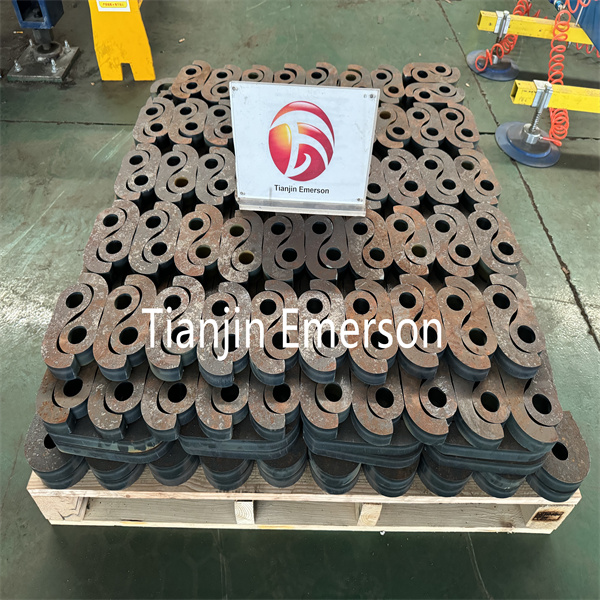
Core Boiler Fabrication Materials and Specifications
The ASTM A516 specification covers carbon steel plates intended primarily for service in welded pressure vessels where improved notch toughness is important. These plates operate mostly in moderate to lower temperature environments. Within this specification, ASTM A516 GR70 plate stands out as the industry standard. Grade 70 offers an optimal balance of high notch toughness, superior tensile strength, and excellent weldability. Fabricators rely on Grade 70 for heavy-duty boiler shells and end caps due to its consistent mechanical performance.
ASTM A285 is utilized for low to moderate tensile strength applications. Engineers often specify ASTM A285 Grade C firebox steel plate for legacy designs or lower-stress vessel components. However, A285 has strict limitations. It is not suitable for high-pressure or high-temperature environments. Its application remains limited to specific, heavily calculated scenarios where the operational stresses fall well below the thresholds requiring high-strength PVQ grades.
Boiler plates do not operate in isolation. They must seamlessly integrate with other pressure-retaining parts, including flues and tubes. Thermal expansion rates must align to prevent joint failure. Fabricators frequently pair ASTM A285 or A516 plates with seamless, dead soft annealed ASTM A-179 steel tubes. This specific combination ensures reliable thermal expansion compatibility and maintains absolute joint integrity under continuous operational stress.
When operational temperatures exceed the safe limits of carbon steel, engineers must specify alloy steels. ASTM A387 is a prime example. These chrome-moly alloy plates are designed specifically for extreme thermal conditions. The addition of chromium and molybdenum provides exceptional creep resistance and high-temperature strength. Contrast this with standard carbon steel, which rapidly loses structural integrity and deforms when subjected to similar extreme heat profiles.
| Material Grade | Primary Application | Tensile Strength (ksi) | Key Characteristic |
| ASTM A516 Grade 70 | Moderate to low temperature vessels | 70 - 90 | Excellent notch toughness and weldability |
| ASTM A285 Grade C | Low pressure, legacy designs | 55 - 75 | Good formability for low-stress parts |
| ASTM A387 Grade 11/22 | High temperature, elevated pressure | 60 - 85 | High creep resistance (Chrome-Moly) |
| ASTM A537 Class 1 | High yield strength requirements | 70 - 90 | Heat treated for superior yield strength |
Evaluation Dimensions: Mechanical Properties and Testing
Tensile and yield strength define the fundamental load-bearing capabilities of the steel. Yield strength indicates the point where the material begins to deform plastically, while tensile strength measures the maximum stress it can withstand before breaking. These specific values dictate all plate thickness calculations under the ASME Boiler and Pressure Vessel Code (BPVC). Accurate strength evaluation ensures the vessel can safely contain the required internal pressure without catastrophic rupture.
Charpy V-Notch impact testing verifies the notch toughness of the steel. This test measures the amount of energy absorbed by the material during fracture. It is absolutely critical for vessels operating in cold environments. Low temperatures increase the risk of brittle fracture, where the steel shatters rather than deforming. Impact testing guarantees the plate will absorb sudden shocks and maintain structural integrity even in sub-zero operational conditions.
PVQ specifications enforce strict tolerances for chemical composition. Elements like carbon, manganese, phosphorus, and sulfur are tightly controlled. High carbon increases strength but drastically reduces weldability. Trace elements like sulfur and phosphorus introduce brittleness and increase the risk of cracking during fabrication. Maintaining strict chemical limits ensures the steel delivers the required strength while remaining highly processable on the workshop floor.
Fabrication Realities: Processing and Shaping PVQ Plates
Fabricators utilize various methodologies for pressure vessel plate cutting, including plasma, oxy-fuel, and heavy-duty laser systems. Each method generates a Heat-Affected Zone (HAZ) along the cut edge. Thermal cutting alters the local edge metallurgy, often causing localized hardening. This hardened edge can lead to cracking during subsequent welding. Fabricators must implement specific machining or grinding processes to remove the HAZ and prep the edge properly before striking an arc.
Rolling and pressing thick PVQ plates into cylindrical shells or dished heads presents significant mechanical challenges. Fabricators must strictly observe minimum bend radii to prevent surface cracking. Cold forming induces strain hardening, which reduces the material's ductility. Hot forming mitigates strain hardening but requires careful temperature control to avoid altering the steel's normalized grain structure. Improper forming mechanics lead directly to material thinning and compromised vessel integrity.
Weldability is a primary concern for all pressure vessel construction. Heavy plates require strict pre-heating protocols before welding begins. Pre-heating slows the cooling rate of the weld pool, preventing the formation of brittle microstructures. Following welding, Post-Weld Heat Treatment (PWHT) is often mandatory. PWHT relieves residual stresses locked into the joints during fabrication and prevents hydrogen-induced cracking, ensuring the final vessel meets all ASME safety requirements.
Verify material test reports against physical plate heat stamps.
Perform ultrasonic testing on plate edges prior to beveling.
Execute thermal cutting and mechanically grind the heat-affected zone.
Apply required pre-heat temperatures based on plate thickness and carbon equivalent.
Perform multi-pass welding using approved ASME Section IX procedures.
Conduct non-destructive examination (RT or UT) on completed weld seams.
Execute post-weld heat treatment to relieve residual fabrication stresses.
Sourcing Strategy: Evaluating a Boiler Steel Plate Supplier
A legitimate Mill Test Report (MTR) is the foundation of material traceability. When evaluating a boiler steel plate supplier, you must verify the heat numbers stamped on the plate against the provided documentation. The MTR must clearly display the chemical analysis, mechanical test results, and heat treatment records. Without a verifiable, original MTR, the steel cannot be legally used in any ASME-stamped pressure vessel application.
Internal material defects are invisible to the naked eye. Assess the supplier's capabilities for Ultrasonic Testing (UT), such as ASTM A435 or A578 compliance. UT detects internal laminations, inclusions, or voids deep within the steel. Identifying these defects before fabrication begins prevents catastrophic failures during hydro-testing and saves massive amounts of wasted labor and machining time.
Evaluate the supplier's inventory regarding plate dimensions, including width, length, and thickness tolerances. Sourcing plates that closely match the required flat pattern dimensions significantly impacts the project. Optimized dimensions reduce scrap rates, minimize the number of required weld seams, and lower overall project costs. Fewer weld seams directly translate to less NDT inspection time and a stronger final vessel.
Implementation Risks and Mitigation Strategies
Internal defects like laminations pose a severe risk. During heavy bending or rolling, these defects cause the plate to delaminate and split. If a defect survives fabrication, it will likely cause a failure during the final hydro-testing phase. Mitigate this risk by mandating strict UT compliance from your supplier. For highly critical applications, implement secondary third-party metallurgical audits to verify the internal soundness of the plates before cutting begins.
Failing to comply with the ASME Boiler and Pressure Vessel Code carries heavy consequences. Using unverified materials results in rejected vessels, the inability to secure a U-stamp certification, and massive legal liability. Mitigate this by implementing a rigid Quality Assurance and Quality Control (QA/QC) intake process. Quarantine any incoming materials that lack verifiable, original MTRs until proper documentation is secured and verified by the engineering team.
Conclusion
Finalize all ASME design calculations to determine exact thickness and grade requirements before procurement.
Audit potential steel suppliers specifically for their in-house ultrasonic testing capabilities and MTR documentation practices.
Establish a strict receiving inspection protocol to verify physical heat stamps against digital material test reports.
Update shop floor welding procedures to account for the specific carbon equivalent and pre-heat requirements of the chosen PVQ grade.
FAQ
Q: What is the difference between standard structural steel and pressure vessel steel plate?
A: Standard structural steel lacks the rigorous testing and metallurgical consistency required for pressurized environments. Pressure vessel steel plate is fully killed, fine-grained, and undergoes strict thermal conditioning and impact testing to guarantee uniform strength, notch toughness, and predictable behavior under extreme stress.
Q: Why is ASTM A516 GR70 plate the standard for many boiler fabrication projects?
A: ASTM A516 GR70 offers an optimal balance of high tensile strength, excellent notch toughness, and strong weldability. It performs exceptionally well in moderate to lower temperature service, making it a highly reliable and processable choice for heavy-duty boiler shells.
Q: What does "fully killed" mean in the context of PVQ steel?
A: "Fully killed" means the steel is thoroughly deoxidized during the melting process, usually with silicon or aluminum. This removes oxygen, prevents gas porosity, and ensures a highly uniform, dense internal grain structure necessary for pressure-retaining applications.
Q: How does pressure vessel plate cutting impact the material's weldability?
A: Thermal cutting methods like plasma or oxy-fuel create a Heat-Affected Zone (HAZ) along the cut edge. This alters the local metallurgy and often hardens the edge, which can lead to cracking. Fabricators must grind or machine away the HAZ before welding.
Q: What documentation must a boiler steel plate supplier provide for ASME compliance?
A: A supplier must provide a certified Mill Test Report (MTR). This document tracks the specific heat number and proves the material's exact chemical composition, mechanical test results, and heat treatment history, ensuring it meets the specified ASTM/ASME standards.
Q: Why is normalizing required for certain boiler fabrication materials?
A: Normalizing involves heating the steel and letting it air cool to refine its grain structure. This process improves notch toughness, relieves internal stresses from rolling, and stabilizes the steel so it performs reliably across wide and fluctuating operating temperature ranges.


